The Full Guide to the Sarbanes Oxley Act
📅 2026 Update: Changes in Business Ethics and Compliance
Since the original article on the Sarbanes-Oxley Act was published, several important updates have emerged that impact business ethics and compliance. These changes reflect ongoing efforts to enhance transparency, accountability, and ethical practices within organizations. The earlier article continues further down the page, providing foundational knowledge on the Sarbanes-Oxley Act.
🌐 IESBA's Focus on Firm Culture
In June 2026, the International Ethics Standards Board for Accountants (IESBA) announced a targeted update to its International Code of Ethics. This update emphasizes the importance of firm culture and governance. A draft is expected to be shared in December 2026, with final approval aimed for the end of 2027.
📊 Role of CFOs Initiative
In February 2026, IESBA initiated global surveys as part of its Role of CFOs initiative. This initiative explores the changing responsibilities of Chief Financial Officers and the ethical challenges they encounter. Feedback from these surveys will guide future ethical standards for CFOs.
📅 Diversity and Inclusion Oversight
An Executive Order issued in March 2026 expanded federal oversight of diversity, equity, and inclusion practices. This includes federal contractors and subcontractors who must now certify that they do not engage in racially discriminatory practices. This move aligns with the ethics and compliance themes in the Sarbanes-Oxley Act.
📚 New Legal Resources Availability
In April 2026, the Massachusetts Trial Court Law Libraries updated their resources to include new materials on artificial intelligence ethics for attorneys. These resources aim to assist legal professionals in navigating the evolving landscape of ethics in technology and business.
🔎 Assessing Effectiveness of Ethical Standards
IESBA launched surveys in April to review the effectiveness of the NOCLAR Standard and the Restructured Code. These assessments will help inform any future revisions, ensuring that ethical standards remain relevant and effective in today’s business environment.
📌 Key Points Summary
- 🌟 IESBA updates focus on firm culture and governance.
- 📈 Role of CFOs initiative examines ethical challenges faced by CFOs.
- ⚖️ New federal oversight for diversity and inclusion practices.
- 📚 Massachusetts Trial Court Law Libraries offer new AI ethics materials.
- 🔍 IESBA conducts surveys to assess existing ethical standards.
💡 Tips for Ensuring Compliance and Ethical Practices
Reviewing your specific situation with an attorney is essential for understanding compliance and ethical requirements tailored to your business.
📜 Understand the Sarbanes-Oxley Act
Familiarize yourself with the Sarbanes-Oxley Act and its requirements. This knowledge is crucial for maintaining compliance and avoiding legal issues related to financial reporting and corporate governance.
🏢 Promote a Strong Firm Culture
Encourage a positive firm culture that prioritizes ethical behavior. A strong culture can help prevent misconduct and foster an environment where employees feel comfortable reporting concerns.
📊 Stay Updated on Ethical Standards
Keep abreast of updates from organizations like IESBA. New guidelines and standards can affect your business practices and compliance efforts, so regular review is necessary.
📣 Encourage Reporting Mechanisms
Implement clear reporting mechanisms for employees to report unethical behavior. This can include anonymous reporting systems to protect whistleblowers and ensure transparency.
⚖️ Monitor Diversity and Inclusion Practices
Review your diversity and inclusion policies regularly. With new federal oversight, ensure your practices comply with the latest regulations to avoid potential legal issues.
🏆 Free Options Ranked by User Reviews (2026)
No national paid service in this area met the review threshold for this topic. Instead, this section lists free government and nonprofit resources available to assist with business ethics and compliance.
🥇 1. Massachusetts Trial Court Law Libraries
The Massachusetts Trial Court Law Libraries provide free access to a wide range of legal resources. These include materials on ethics, compliance, and the Sarbanes-Oxley Act, which can be beneficial for business owners and legal professionals alike.
🥈 2. IESBA
The International Ethics Standards Board for Accountants (IESBA) offers guidance on ethical standards for accountants and auditors worldwide. Their resources are essential for understanding the evolving landscape of business ethics and compliance.
🥉 3. U.S. Securities and Exchange Commission (SEC)
The SEC provides information on compliance with federal securities laws. Their resources include updates on ethical considerations in corporate governance, which are critical for businesses subject to the Sarbanes-Oxley Act.
4️⃣ Local Bar Associations
Local bar associations often provide free resources and legal guidance for businesses. These can include workshops and seminars on compliance, ethics, and best practices in business operations.
🔎 Points to Check Before Paying for Help
- 🔍 Verify the credentials of anyone offering services.
- 📄 Ensure they have experience in business law and compliance.
- 💬 Look for user reviews or testimonials about their services.
- 📞 Confirm they provide clear information about fees and costs.
❓ Frequently Asked Questions
❓ What is the Sarbanes-Oxley Act?
The Sarbanes-Oxley Act is a U.S. federal law aimed at improving corporate governance and financial practices. It was enacted in response to accounting scandals to protect investors and enhance the accuracy of financial disclosures.
📊 How does IESBA impact business ethics?
IESBA sets international ethical standards for accountants and auditors. Their updates guide firms in maintaining ethical practices, which is essential for compliance with laws like the Sarbanes-Oxley Act.
📅 What resources are available for learning about compliance?
Free resources include the Massachusetts Trial Court Law Libraries and guidance from the SEC. These organizations provide materials on legal compliance and ethical standards for businesses.
🔍 What is the Role of CFOs initiative?
This IESBA initiative examines the changing responsibilities of CFOs. It aims to address the ethical challenges they face in today's business environment, enhancing accountability and ethical behavior.
⚖️ How can businesses ensure ethical practices?
Businesses can ensure ethical practices by promoting a strong firm culture, staying updated on ethical standards, and encouraging transparent reporting mechanisms among employees.
📜 What are the recent updates in ethical standards?
Recent updates include IESBA's focus on firm culture and governance, as well as the expansion of federal oversight on diversity and inclusion practices. These changes reflect the ongoing commitment to ethical business operations.
⚖️ Recent Cases Related to Business Ethics
Recent court rulings highlight the importance of compliance with the Sarbanes-Oxley Act and ethical standards in business operations. These rulings can influence how companies approach governance and accountability.
- Court upholds U.S. Commerce's decision on Canadian lumberUnited States Court of International Trade · July 21, 2026
- Court denies request to suppress KiewitPhelps contract rulingArmed Services Board of Contract Appeals · June 25, 2026
- Court rules in favor of Jaxon Construction in contract disputeArmed Services Board of Contract Appeals · June 24, 2026
- Contract Dispute Settled Between Advanced Aerospace and U.S.Armed Services Board of Contract Appeals · June 23, 2026
Explore more recent rulings by visiting the more rulings on the news page.
End of October 2026 Update
The Sarbanes-Oxley Act was put into effect after the string of scandals that rocked America in the early 21st century, with Enron being at the forefront.
The background of the Sarbanes-Oxley Act is best described in terms of the slew of scandals that cropped up, all at around the same time. These scandals depicted an American business world that was devoid of integrity and business ethics.
The Sarbanes-Oxley Act might never have been created had it not been for the perfect storm of events that surrounded its origins. Indeed, were the bill to be proposed today, there is a fair argument to be made that it would be voted down by those in Congress too worried about the costs that it would incur.
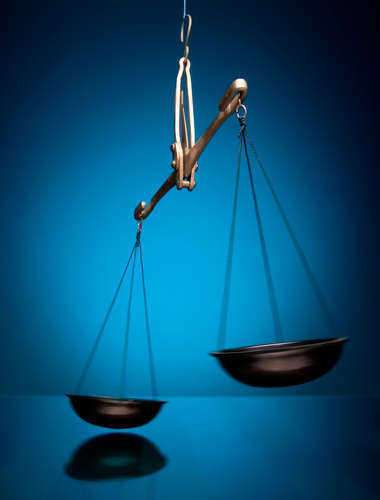
But at the time it was proposed, the Sarbanes-Oxley Act met with near unanimous support, thanks to all the scandals that had rocked the nation in and around the time of its passing. It actually came from two different bills, one of which originated in the House of Representatives, the other of which originated in the Senate, which were later combined into the Sarbanes-Oxley Act. The bill was originally designed to plug in several holes left by common business rules.
The importance of the Sarbanes-Oxley Act will not be understood for some time to come, as its effects are currently too close to the current situation in America. Though there can be no doubt that the Sarbanes-Oxley Act had an effect and has certainly changed the country, the issue of whether or not the costs of the Act outweigh its benefits or vice versa will not be decided with certainty in favor of one argument or the other for some time.
For now, the arguments rage on, as some politicians argue that the Sarbanes-Oxley Act has not only failed to perform its intended function, but has actually significantly hampered American businesses, thereby ensuring that the American economy has become weaker, potentially even contributing to the recent financial crisis. Others argue the opposite, that the Sarbanes-Oxley Act has fulfilled its function and has strengthened the American economy by leading to greater investor confidence, thanks to the renewed reliability of financial statements coming out of America's major companies.
It is entirely possible that elements of both arguments are accurate, that the Sarbanes-Oxley Act has simultaneously increased investor confidence while also increasing the costs for companies to operate publicly in America, and therefore, pushing more companies to operate outside of America.
But regardless of whether or not those benefits outweigh the drawbacks, the Sarbanes-Oxley Act holds definitive importance as one of the strongest pieces of modern legislation for enforcing business ethics through government (for more on business ethics and government, see also the Foreign Corrupt Practices Act). To learn more about the effects and importance of the Sarbanes-Oxley Act, click the link.