Unveiling the Hidden Battles: The Shocking Truth Behind Intellectual Property Disputes
📅 2026 Update: Changes in Intellectual Property Law
Since the original article was published, several significant updates have occurred in the world of intellectual property law. These changes impact how businesses manage their patents, trademarks, and copyrights. The earlier article continues further down the page, providing a broader understanding of intellectual property disputes.
🛠️ Patent Fee Adjustments
On January 19, 2025, the U.S. Patent and Trademark Office (USPTO) updated its patent fees. These adjustments aim to improve the administration of the U.S. patent system.
Businesses should be aware of these new fees when applying for patents or maintaining existing ones.
📈 Trademark Fee Adjustments
Similar to patent fees, the USPTO updated trademark fees on January 18, 2025. The changes support the efficient operation of the trademark registration system. Businesses filing for trademarks can expect these new costs to affect their budgets.
🌍 Foreign Applicant Representation Requirement
A new rule took effect on July 20, 2026. This rule requires foreign patent applicants and owners to be represented by a registered U.S. patent practitioner. This change emphasizes the importance of having proper legal representation for those outside the U.S. seeking patent rights.
💡 R&D Expenditure Tax Changes
The One Big Beautiful Bill Act of 2025 introduced a new section in the Internal Revenue Code. Section 174A allows for full expensing of domestic research and experimental expenditures. This provision is permanent for tax years starting after December 31, 2024, providing a financial boost for businesses engaged in research and development.
📊 Intellectual Property’s Economic Impact
In 2024, IP-intensive industries accounted for about 44% of total private sector output and 33% of private sector employment in the U.S. This underscores the critical role of intellectual property in the economy, highlighting why businesses should protect their innovations.
📌 Key Points to Remember
- 🛠️ Updated patent fees were implemented in January 2025.
- 📈 Trademark fees also changed around the same time.
- 🌍 Representation is now required for foreign patent applicants.
- 💡 Section 174A allows full expensing of R&D costs.
- 📊 IP-intensive industries hold a significant share of the U.S. economy.
💡 Tips for Navigating Intellectual Property Matters
Reviewing your unique situation with an attorney is essential for understanding your options.
📝 Understand Patent Maintenance Fees
Be aware of the maintenance fees required for utility patents. These fees are due at 3.5, 7.5, and 11.5 years after the patent grant. Missing these deadlines can lead to losing patent rights.
🔍 Trademark Registration Essentials
When applying for a trademark, ensure your mark is distinctive and used in commerce. This is critical for qualifying for registration with the USPTO.
📅 Stay Informed on Filing Deadlines
While copyright registration has no strict deadlines, it's crucial to register your work to bring a lawsuit for infringement. This is a key step in protecting your creative works.
💻 Utilize Free Resources
Take advantage of free resources offered by the USPTO and the Small Business Administration. These organizations provide guides, webinars, and counseling on intellectual property matters.
📝 Keep Up with Changes
Changes in laws and fees can affect your business. Stay updated on new regulations and practices to ensure you're compliant and protecting your intellectual property effectively.
🏆 Services for Intellectual Property, Ranked by User Reviews (2026)
This section highlights services that assist with intellectual property matters, including business formation and legal document creation. The rankings are based on Trustpilot data collected in October 2026, and scores may change over time. Remember that star ratings are just one aspect; customer experiences can vary widely.
🥇 1. Rocket Lawyer
Rocket Lawyer has been rated 4.5 on Trustpilot. It is known for online legal document creation and affordable legal services. However, some users find the subscription model costly if their usage is infrequent.
🥈 2. LegalZoom
LegalZoom holds a 4.6 rating on Trustpilot. This service is recognized for its business formation services and intellectual property protection. Some reviewers report delays in processing times, which can affect urgent needs.
🥉 3. LegalShield
LegalShield has a Trustpilot score of 4.4. It is known for its legal subscription services and access to legal advice. However, experiences with customer service responsiveness can be mixed, leading to varied user satisfaction.
🆓 Free Government and Nonprofit Help
Organizations like the USPTO and the Small Business Administration offer free resources to assist with intellectual property matters. These include guides, webinars, and counseling for small businesses, making it easier to navigate IP issues without incurring costs.
🔎 Comparing Services
- 🏷️ Look at the Trustpilot scores to gauge overall customer satisfaction.
- 📊 Consider the types of services offered, such as document creation or legal advice.
- 💬 Read customer reviews for insights on user experiences.
- ⏳ Check for processing times and any reported delays.
- 💰 Evaluate any cost structures to determine what fits your needs best.
❓ Frequently Asked Questions
🤔 What are the new patent fee changes?
The USPTO updated its patent fees on January 19, 2025. These changes aim to enhance the administration of the U.S. patent system.
📄 How do I maintain my patent rights?
To maintain patent rights, you must pay maintenance fees at 3.5, 7.5, and 11.5 years after the patent grant. Missing these deadlines can result in losing the patent.
🔍 What is the foreign applicant representation requirement?
Starting July 20, 2026, all foreign patent applicants must be represented by a registered U.S. patent practitioner. This rule ensures proper legal guidance for those outside the U.S. seeking patents.
🏢 How significant is intellectual property to the U.S. economy?
In 2024, IP-intensive industries accounted for approximately 44% of total private sector output and 33% of private sector employment in the U.S. This highlights the importance of IP in driving economic growth.
📅 What are the deadlines for trademark maintenance?
A Section 71 Declaration of Use must be filed between the fifth and sixth anniversaries of the U.S. registration date to maintain a Madrid Protocol trademark registration.
💻 Where can I find free help for intellectual property issues?
The USPTO and the Small Business Administration offer free resources, guides, and webinars to assist with intellectual property matters. Legal aid organizations also provide pro bono assistance.
⚖️ Recent Cases in Intellectual Property
Recent court rulings have highlighted various issues in intellectual property law and its implications for businesses. These cases reflect ongoing challenges and developments in the field.
- Pennsylvania Court Upholds Variances for Verizon Cell TowerCommonwealth Court of Pennsylvania · July 1, 2026
- North Carolina Court Dismisses FS Med Supplies LawsuitNorth Carolina Business Court · July 2, 2026
- Delaware court dismisses WSP USA's claims against VersarCourt of Chancery of Delaware · July 2, 2026
- Court rules against Bernstein in MyJoVE stockholder caseCourt of Chancery of Delaware · July 2, 2026
For more information, feel free to browse more rulings on the news page.
End of October 2026 Update
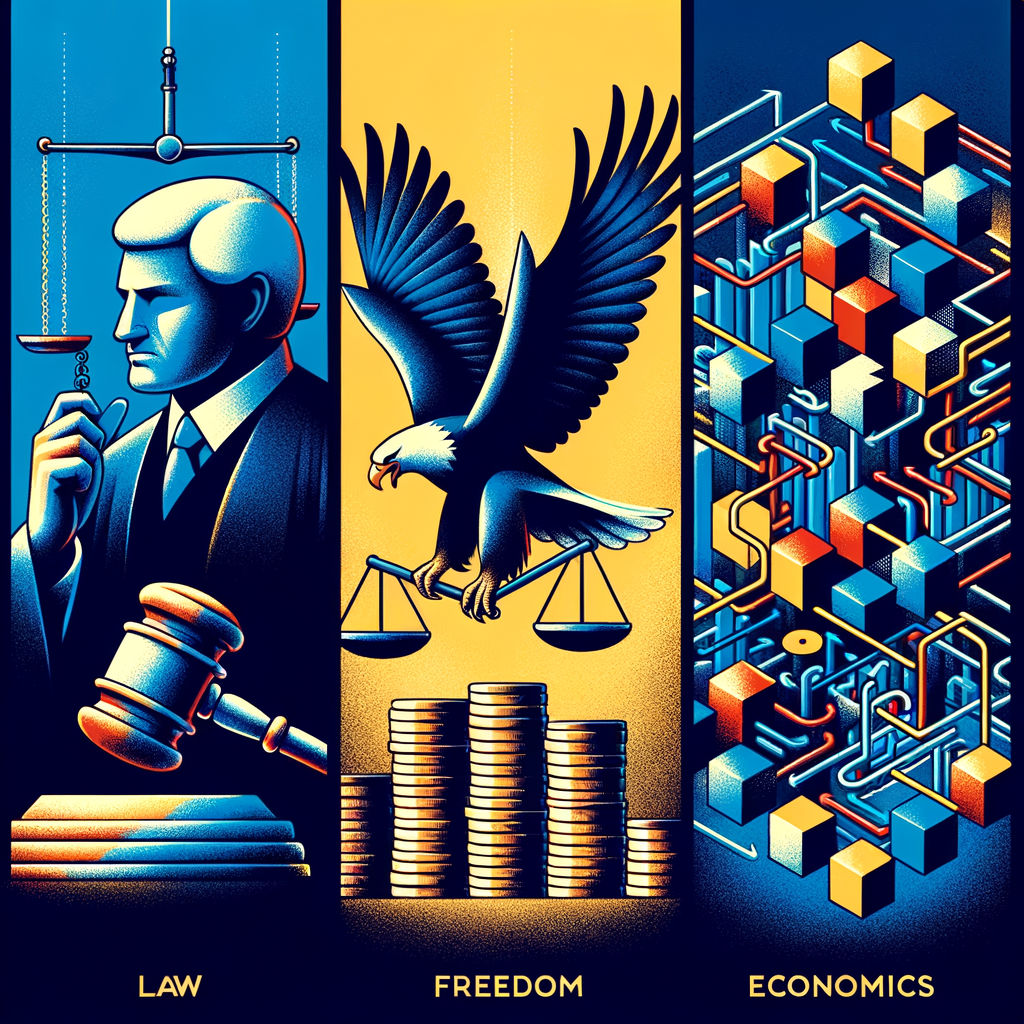
In an increasingly interconnected world, the importance of intellectual property (IP) has surged, becoming a cornerstone for innovation and creativity across various industries. However, as the value of ideas and inventions rises, so too do the conflicts surrounding them. Intellectual property disputes have emerged as hidden battles that can significantly impact businesses, economies, and the very fabric of creativity. This article delves into the complexities of these disputes, exploring their origins, key players, legal frameworks, notable case studies, and strategies for resolution.
Understanding Intellectual Property: A Foundation for Innovation and Creativity
Intellectual property encompasses a range of legal rights that protect creations of the mind, including inventions, literary and artistic works, designs, symbols, names, and images used in commerce. These rights are essential for fostering innovation and creativity, as they provide creators with the incentive to invest time and resources into developing new ideas. By granting exclusive rights to creators, intellectual property laws encourage the sharing of knowledge and the dissemination of new technologies, ultimately benefiting society as a whole. However, the same protections that stimulate creativity can also lead to disputes when parties believe their rights have been infringed upon.
The Rise of Intellectual Property Disputes in the Global Marketplace
As globalization accelerates and technology advances, the landscape of intellectual property disputes has evolved dramatically. The digital age has made it easier for ideas to be shared and replicated, often without proper attribution or compensation. This has led to a surge in IP disputes, particularly in industries such as technology, pharmaceuticals, and entertainment, where the stakes are high. Companies are increasingly willing to invest significant resources into protecting their intellectual property, leading to a proliferation of lawsuits and claims. The rise of e-commerce and online platforms has further complicated the situation, as jurisdictions clash and enforcement becomes more challenging in a borderless digital environment.
Key Players in Intellectual Property Battles: Who's Involved and Why
Intellectual property disputes typically involve a diverse array of stakeholders, including individual creators, corporations, legal professionals, and government agencies. At the forefront are the rights holders—those who own the intellectual property in question—who may be seeking to protect their innovations from infringement. On the opposing side, alleged infringers may include competitors, startups, or even consumers who inadvertently violate IP rights. Legal professionals play a crucial role in navigating these disputes, offering expertise in IP law and representing clients in negotiations or court proceedings. Additionally, government agencies, such as the United States Patent and Trademark Office (USPTO) and the World Intellectual Property Organization (WIPO), are involved in establishing and enforcing IP laws, often serving as mediators in disputes.
The Legal Framework: Navigating Laws and Regulations in IP Conflicts
The legal framework surrounding intellectual property is complex and varies significantly across jurisdictions. International treaties, such as the Agreement on Trade-Related Aspects of Intellectual Property Rights (TRIPS), set minimum standards for IP protection among member countries, but national laws can differ widely. In the United States, for example, the legal landscape includes patents, copyrights, trademarks, and trade secrets, each governed by specific laws and regulations. Navigating this intricate web of legal protections requires a deep understanding of both domestic and international IP laws, making it essential for stakeholders to engage knowledgeable legal counsel. The legal framework is designed to balance the interests of creators and the public, but it can also lead to protracted disputes as parties seek to assert their rights.
Case Studies: Notable Intellectual Property Disputes That Shook Industries
Several high-profile intellectual property disputes have made headlines and reshaped industries, illustrating the profound impact of these conflicts. One notable case is the ongoing battle between Apple and Samsung over smartphone patents, which has seen multiple lawsuits across various countries and has raised questions about innovation and competition in the tech sector. Another significant dispute involved the pharmaceutical company Pfizer, which faced challenges to its patent on the blockbuster drug Viagra, prompting debates about patent protection in the pharmaceutical industry. These cases highlight not only the financial stakes involved but also the broader implications for innovation, consumer choice, and market dynamics. They serve as cautionary tales for businesses navigating the complex world of intellectual property.
Strategies for Resolution: Mediation, Litigation, and Beyond in IP Conflicts
Resolving intellectual property disputes can be a lengthy and costly process, prompting stakeholders to explore various strategies for resolution. Mediation has emerged as a popular alternative to litigation, allowing parties to engage in facilitated negotiations to reach mutually agreeable solutions. This approach can save time and resources while preserving relationships between the parties involved. However, when mediation fails, litigation may become necessary, leading to court battles that can drag on for years. In addition to these traditional methods, some companies are increasingly turning to arbitration and other forms of alternative dispute resolution (ADR) to expedite the process and reduce costs. As the landscape of intellectual property continues to evolve, stakeholders must remain adaptable and informed about the most effective strategies for resolving disputes.
Intellectual property disputes represent a complex and often hidden battleground in the global marketplace, with far-reaching implications for innovation, competition, and economic growth. As the value of ideas continues to rise, understanding the intricacies of these disputes becomes essential for all stakeholders involved. By navigating the legal frameworks, recognizing key players, and employing effective resolution strategies, businesses and creators can better protect their intellectual property while fostering an environment conducive to creativity and innovation. As we move forward in this digital age, the need for a balanced approach to intellectual property rights will be crucial in shaping the future of industries worldwide.
