Mastering Small Business Branding: Essential Strategies for Success
📅 2026 Update: Key Changes Impacting Small Business Branding
Since the original article was published, several important changes have occurred that affect small business branding and marketing strategies. These updates include new regulations and costs that business owners should consider as they build their brands. The original article continues further down the page, providing essential strategies for success.
📈 FTC Updates on Digital Advertising
In 2024, the Federal Trade Commission (FTC) updated its guidelines for digital advertising. These changes aim to improve transparency in sponsored content. Businesses must now provide clearer disclosures to consumers.
This impacts how small businesses communicate with their audience online.
- 📊 Clear Disclosures: Businesses must ensure that sponsored content is easily identifiable.
💵 State-Level Sales Tax on Digital Advertising
Starting January 2025, several states, including New York and Illinois, began implementing sales tax on digital advertising services. This change affects how businesses budget for online marketing campaigns.
- 🏷️ Budget Adjustments: Companies need to account for additional costs when planning their marketing strategies.
🤖 Introduction of AI in Marketing Regulations
In 2026, the U.S. Department of Commerce introduced guidelines for ethical AI use in marketing. These regulations focus on consumer privacy and data protection.
Businesses must comply with these standards as they incorporate AI into their marketing efforts.
- 🔒 Consumer Privacy: Companies must prioritize consumer consent and transparency when using AI tools.
📌 Key Points to Remember
- 📅 FTC revised advertising guidelines for transparency.
- 💰 Sales tax on digital advertising now required in some states.
- 🤖 New regulations for ethical AI use in marketing.
- ✍️ Compliance with these changes is crucial for small businesses.
💡 Tips for Small Business Branding Success
It is important to review the details of your specific situation with your attorney.
📊 Understand Advertising Regulations
Stay updated on the FTC's advertising guidelines. Ensuring compliance can help avoid legal issues and maintain a positive brand image.
📝 Register for State Sales Tax
If your business offers digital advertising services, register with state tax authorities. Completing the necessary forms will help you comply with state laws.
🤖 Implement Ethical AI Practices
If using AI in marketing, follow the new guidelines. Submit an AI Ethics Compliance Declaration to demonstrate adherence to ethical practices.
🌐 Leverage Free Resources
Utilize free resources from the FTC, SBA, and SCORE for guidance on effective marketing strategies. These resources can provide valuable insights and support for your branding efforts.
💬 Engage with Your Audience
Focus on building a strong connection with your customers. Engaging content and clear communication can enhance brand loyalty and trust.
🏆 Small Business Branding Services Ranked by User Reviews (2026)
Various services can assist small businesses in their branding and marketing efforts. The following services have been ranked based on Trustpilot data as of October 2026. Ratings can change, and these scores are just one measure of satisfaction; unhappy customers often leave more reviews.
🥇 1. Semrush
Semrush has been rated 1.5. It is known for its SEO tools and online marketing software. Despite its extensive features, the low TrustScore suggests that users may experience some challenges with customer support or usability.
🥈 2. Cleverly
Cleverly holds a 4.5 rating. This B2B marketing agency specializes in lead generation services. While many users praise its effectiveness, some report occasional campaign underperformance, indicating that results may vary.
🆓 Free Government and Nonprofit Help
Several organizations provide free resources for small business owners. The FTC offers guidance on advertising practices. The SBA provides workshops and materials on effective marketing strategies. SCORE offers free mentorship services, including marketing advice, to help small businesses thrive.
🔎 What to Compare When Choosing Branding Services
- 🌟 Trustpilot Ratings: Check customer feedback and ratings.
- 💡 Features Offered: Evaluate what tools and services are provided.
- 📞 Customer Support: Look into the quality of customer service.
- 💰 Pricing Structure: Understand the cost and any additional fees.
❓ Frequently Asked Questions
❓ What are the FTC's requirements for digital advertising?
The FTC requires businesses to provide clear disclosures for sponsored content. This includes marking posts as advertisements to enhance transparency.
💼 How do I register for state sales tax?
Businesses providing digital advertising services must register with state tax authorities. This involves completing the Sales Tax Registration form specific to the state.
🤖 What are the new guidelines for AI in marketing?
The Department of Commerce has set guidelines emphasizing consumer privacy and ethical use of AI. Businesses must submit an AI Ethics Compliance Declaration to ensure compliance.
📈 How can I stay updated on advertising regulations?
Regularly check the FTC's website and subscribe to industry newsletters. Staying informed can help you adapt your marketing strategies accordingly.
📊 What are some free resources for small businesses?
The FTC, SBA, and SCORE provide various free resources. These include workshops, mentorship, and guidance on effective marketing practices.
📝 Why is consumer engagement important for branding?
Engaging with your audience builds trust and loyalty. Strong customer relationships can enhance your brand’s reputation and lead to repeat business.
⚖️ Recent Legal Cases Related to Small Business Branding
Recent court rulings have highlighted the importance of complying with advertising regulations and protecting consumer data. These cases show how businesses must navigate legal challenges while building their brands.
- Court rules on Hensel Phelps Construction contract disputesArmed Services Board of Contract Appeals · August 28, 2026
- Court rules on Relyant Global's contract disputes with governmentArmed Services Board of Contract Appeals · August 24, 2026
- Court dismisses appeal by Group III Mgt, Inc. in contract caseArmed Services Board of Contract Appeals · August 26, 2026
- Court awards $20,000 to Solpac Construction in contract disputeArmed Services Board of Contract Appeals · August 25, 2026
For more insights on recent rulings, check out more rulings on the news page.
End of October 2026 Update
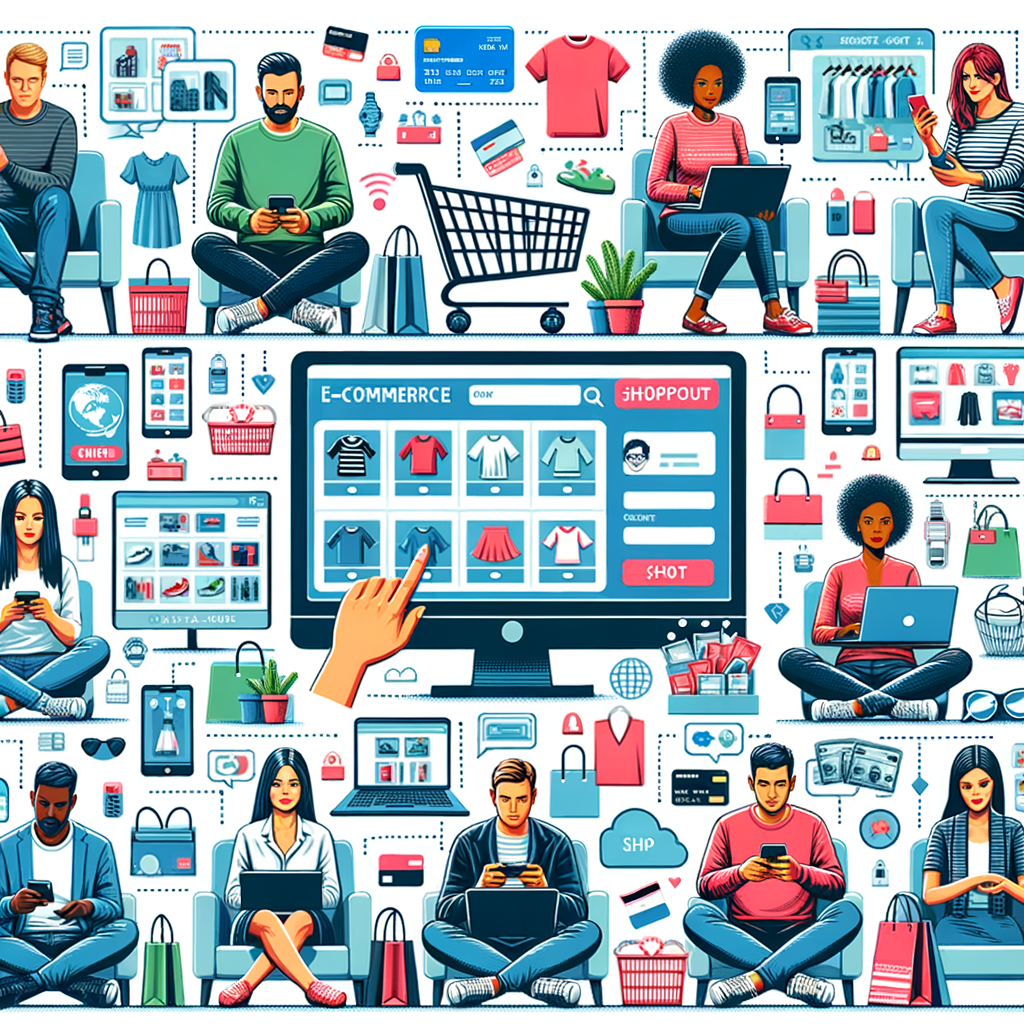
[caption id="attachment_35703" align="alignnone" width="640"] E-commerce - Buying and selling online.[/caption]
As a legal assistant working with small businesses, it is crucial to understand the importance of branding in today's competitive market. Mastering small business branding is essential for success and can significantly impact the growth and sustainability of a company. In this article, we will explore the key strategies for small business branding, from establishing brand identity to leveraging social media for maximum exposure.
Importance of Small Business Branding
Small business branding is more than just a logo or a catchy slogan - it is the essence of your company's identity. A strong brand can differentiate your business from competitors, build trust with customers, and create a lasting impression in the minds of consumers. In a crowded marketplace, branding is what sets you apart and helps you stand out among the competition. By investing in branding, small businesses can establish a unique identity that resonates with their target audience and creates a sense of loyalty and trust.
Establishing Your Brand Identity
Establishing a strong brand identity is the foundation of successful branding for small businesses. Your brand identity encompasses everything from your logo and color scheme to your company values and mission statement. It is important to define what your brand stands for and what sets it apart from others in the industry. By creating a consistent and cohesive brand identity, you can effectively communicate your company's values and personality to your target audience.
Consistent Brand Messaging
Consistency is key when it comes to branding. Your brand messaging should be clear, concise, and consistent across all platforms and communication channels. Whether it's your website, social media profiles, or marketing materials, your brand messaging should reflect your company's values and resonate with your target audience. By maintaining a consistent brand message, you can build trust and credibility with customers and create a strong brand presence in the marketplace.
Building Brand Loyalty
Building brand loyalty is essential for small businesses looking to establish long-term relationships with customers. By delivering on your brand promise and providing exceptional products or services, you can create a loyal customer base that will keep coming back for more. Building brand loyalty requires consistency, quality, and a deep understanding of your target audience's needs and preferences. By focusing on building strong relationships with customers, small businesses can create a loyal following that will help drive growth and success.
Leveraging Social Media for Branding
In today's digital age, social media has become a powerful tool for small businesses to build their brand and reach a wider audience. By leveraging social media platforms such as Facebook, Instagram, and Twitter, small businesses can connect with customers, share their brand story, and engage with their target audience in real-time. Social media allows small businesses to showcase their products or services, interact with customers, and build brand awareness in a cost-effective and efficient manner.
Measuring Branding Success
Measuring the success of your branding efforts is essential for small businesses looking to track their progress and make informed decisions. There are various metrics that can be used to measure branding success, such as brand awareness, customer engagement, and brand loyalty. By analyzing these metrics and tracking key performance indicators, small businesses can evaluate the effectiveness of their branding strategies and make adjustments as needed. By measuring branding success, small businesses can ensure that their branding efforts are driving results and contributing to the overall growth and success of the company.
In conclusion, mastering small business branding is essential for success in today's competitive market. By understanding the importance of branding, establishing a strong brand identity, maintaining consistent brand messaging, building brand loyalty, leveraging social media for branding, and measuring branding success, small businesses can create a strong brand presence that resonates with their target audience and drives growth and success. As a legal assistant, it is important to support small businesses in their branding efforts and help them navigate the legal aspects of branding to ensure compliance and protection of their brand assets.