What you must know about International Relations
📅 2026 Update: Changes in International Business Law Since 2020
Since the original article was written, there have been notable updates in international business law. While the article provides a solid foundation, new developments offer fresh insights into starting and running a business in today's global market.
🌐 1. Growing Importance of International Trade
International trade has become more critical for U.S. businesses. Increasingly, companies are looking beyond domestic markets for growth opportunities. Understanding international trade policies is essential for success.
📄 2. New Resources for Business Owners
The U.S. Small Business Administration (SBA) and other government bodies now provide updated guides on international business. These resources cover starting and managing a business with an emphasis on international aspects.
Accessing these tools can help entrepreneurs navigate complex regulations.
🔍 3. Enhanced Insights from Government Agencies
The U.S. Department of Commerce and U.S. International Trade Administration (ITA) have expanded their resources.
They now offer in-depth analyses of international trade policies and their effects on U.S. businesses. Staying informed can help business owners make better decisions.
⚖️ 4. Legal Framework Changes
Changes in antitrust laws and regulations from the U.S. Department of Justice (DOJ) impact international business. Understanding these legal frameworks is crucial for compliance and competitive advantage.
📌 5. Key Points to Remember
- 🌍 International trade is increasingly vital for business growth.
- 📚 Updated resources are now available from the SBA and government agencies.
- 📊 In-depth analyses from the ITA help businesses understand trade policies.
- ⚖️ Antitrust laws are evolving and affect international operations.
- 🏢 Utilize government resources for guidance in international business law.
💡 Practical Tips for International Business Success
Before making any decisions, evaluate your unique situation with your attorney.
🌟 1. Research International Markets
Explore potential markets to identify where your products or services might thrive. Understanding cultural differences can help tailor your approach.
📅 2. Stay Informed on Trade Agreements
Keep up with changes in trade agreements that may impact your business dealings. These agreements can open doors to new markets or create challenges.
🛡️ 3. Ensure Compliance with Regulations
Be aware of both U.S. and international laws affecting your business. Compliance is essential to avoid penalties and ensure smooth operations.
📈 4. Leverage Government Resources
Utilize resources from the SBA and other government agencies to guide your business decisions. They offer valuable insights into international trade and compliance.
💬 5. Connect with Professionals
Consider networking with professionals who specialize in international business law. Their expertise can provide guidance on complex issues.
📊 6. Evaluate Your Business Structure
Determine the best business structure for your international operations. This can impact taxes, liability, and compliance with foreign laws.
🏆 Services Ranked by User Reviews (2026)
This section highlights services that assist in international business law and related operations. The order is based on Trustpilot data as of October 2026. Ratings can vary, and customer feedback plays a significant role in understanding service quality.
🥇 1. LegalZoom
LegalZoom has been rated 4.6. It is known for its business formation services, legal document preparation, and registered agent services. Some users report delays in processing times and occasional issues with customer support responsiveness.
🥈 2. Bizee
Bizee holds a Trustpilot score of 4.8. It excels in LLC formation, registered agent services, and compliance services. However, some users mention limited customer support availability and occasional document processing delays.
🥉 3. Rocket Lawyer
Rocket Lawyer averages a score of 4.5. It offers legal document creation, legal advice, and business formation services. Some users find the subscription model costly and report occasional issues with document customization.
🆓 Free Government Resources
Various government agencies provide free resources for those interested in international business law. The U.S. Small Business Administration, the Department of Commerce, and the International Trade Administration offer guides and insights to help business owners navigate international markets without incurring costs.
🔎 What to Compare When Choosing Services
- 🌟 User ratings and reviews for service quality.
- 📋 Range of services offered related to business formation.
- ⏳ Processing times for document preparation.
- 🛠️ Customer support availability for assistance.
- 💼 Specialization in international business law and trade.
❓ Frequently Asked Questions
🤔 What should I know about international trade policies?
International trade policies impact how U.S. businesses operate abroad. Understanding these policies can help you navigate tariffs, regulations, and market entry strategies.
🌍 How can I find international markets for my business?
Research is key to identifying international markets. Look for demand for your products, consider cultural differences, and assess competition in potential markets.
📈 What are the benefits of using government resources for my business?
Government resources provide valuable insights into regulations, trade agreements, and market analysis. These tools can help you make informed decisions in international business.
🏢 How do I choose the right business structure for international operations?
Consider factors like liability, taxation, and compliance with foreign laws when selecting a business structure. Consulting with professionals can help clarify your options.
📚 What role do antitrust laws play in international business?
Antitrust laws regulate competition and prevent unfair business practices. Understanding these laws is essential for compliance when operating internationally.
🛡️ How can I ensure compliance with international regulations?
Staying informed about both U.S. and international laws is crucial. Utilize resources from government agencies and seek professional advice when needed.
⚖️ Recent Cases Affecting International Business
Recent court rulings have influenced international business practices and compliance. These decisions can shape how businesses operate across borders and manage legal risks.
- Court Allows Steel Companies to Intervene in Trade CaseUnited States Court of International Trade · August 7, 2026
- Court rules against Vision Distributors in contract disputeArmed Services Board of Contract Appeals · July 17, 2026
- Hawaii Supreme Court Rules on Tax Administrative RulesHawaii Supreme Court · August 7, 2026
- Hawaii Supreme Court Rules on Tax Rule Validity CaseHawaii Supreme Court · August 7, 2026
For more insights on how recent rulings may impact your business, check out the latest articles more rulings on the news page.
End of October 2026 Update
International Relations Defined:
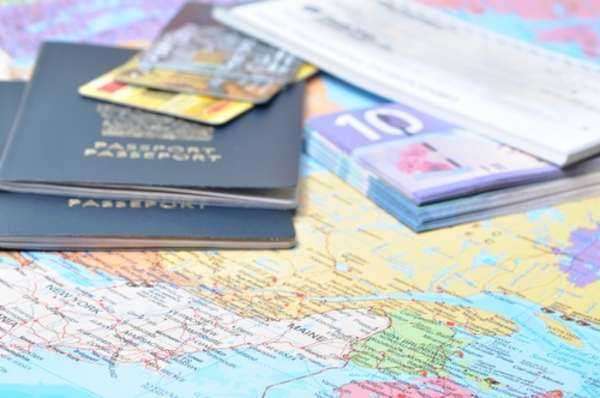
International relations, as a subject, refers to the study of relationships between countries, including the role of governmental organizations, broader state-structures, international nongovernmental entities and multinational corporations. International studies, as a result of its participants, are both an academic and public policy subject; International Studies can be either normative or positive for it seeks to analyze, as well as formulate foreign policy relations of particular entities.
International studies is most often connected to a branch of political science; however, international relations also draws upon a diverse array of fields, such as economics, international law, philosophy, international law, geography, psychology, cultural studies, sociology, social work and anthropology. Furthermore, international relations will involve a broad range of issues including: state sovereignty, ecological sustainability, globalization, nationalism, nuclear proliferation, organized crime, human security, human rights, economic development, global finance and human rights.
Theories behind International Relations:
International relations, as a study, can be divided into two camps: positivist and post-positivist. The former refers to theories, which aim to replicate distinct methods of the natural sciences by analyzing the impact of various material forces. This theory primarily focuses on features of international relations such as the size of a military force, the balance of power within governing bodies and interactions between states. A post-positivist study of international relations, at its foundation, rejects the premise that the social world can be observed in an objective and value-free method. Post-positivist international relations will also reject the basic ideas of liberalism and neo-realism on the grounds that the scientific method is not meant to be applied to the social world.
The primary difference between the two studies of international relations is that positivist theories, such as liberalism, offer casual explanations concerning government actions, a post-positivist theories focus on constitutive questions, such as what is a government action and what is meant by power? A positivist theory will investigate why power is exercised, while a post-positivist theory will evaluate how power is reproduced, what it is made of and how it is experienced. Positivist theories include realism, liberalism, neoliberalism and regime theory while post-positivist or reflectivist theories include, international society theories, social constructivism, Marxism, critical theory. Additionally, international studies also can be carried-out or evaluated through leadership theories, including interest group perspectives, strategic perspectives and various political psychologies.