What are Business Forms Used For?
📅 2026 Update: Changes Impacting Business Forms
Since the original article was published, several key changes have taken place that affect business forms and operations in the U.S. Understanding these updates is essential for anyone starting or running a business today. The details below highlight significant legal and financial developments, with the original article continuing further down the page.
🏛️ Corporate Transparency Act Updates
In March 2025, the Financial Crimes Enforcement Network (FinCEN) made an important change to the Corporate Transparency Act (CTA). U.S.-formed companies are now exempt from beneficial ownership reporting requirements under the CTA. This exemption became permanent in August 2026.
Businesses can focus on operations without the added burden of these reporting requirements.
💼 FTC Noncompete Rule Removal
The Federal Trade Commission (FTC) removed its 2024 rule banning most worker noncompete agreements in February 2026. This change aligns with recent court rulings that blocked the rule nationwide. Businesses may now use noncompete agreements more freely when hiring employees.
📈 Tax Law Changes for Startups
The 2025 tax law expanded benefits for small business owners. For stock issued after July 4, 2025, the federal exclusion on qualified small business stock increased significantly. It is now 50% after a three-year hold and 100% after five years.
The per taxpayer cap rose to $15 million, which can provide substantial savings for small businesses.
💰 Small Business Lending Data Collection
The Consumer Financial Protection Bureau (CFPB) finalized a new rule regarding small business lending in May 2026. This rule applies to financial institutions that originated at least 1,000 covered transactions during 2026 and 2027. The changes aim to improve the data collection process for small business loans, making it easier for businesses to access financing.
📅 Important Compliance Dates
Compliance dates for small business lending data collection were extended by 290 days in June 2024. Lenders must begin collecting data based on their loan volume starting from July 18, 2025, for high-volume lenders. This extension allows businesses more time to adjust to the new requirements.
📌 Key Points to Remember
- 🏛️ CTA reporting requirements exempt U.S.-formed companies.
- 💼 FTC removed the noncompete rule, allowing more flexibility for businesses.
- 📈 Tax law changes offer greater benefits for small business stock.
- 💰 New CFPB rules improve small business lending data collection.
- 📅 Extended compliance dates provide more time for lenders and businesses to adapt.
💡 Tips for Navigating Business Forms
Reviewing your unique situation with an attorney is crucial for understanding your business needs.
📄 Understand the Corporate Transparency Act
Familiarize yourself with the Corporate Transparency Act and its recent exemptions. Knowing that U.S.-formed companies do not have to report beneficial ownership can save you time and effort.
🛡️ Consider Noncompete Agreements
If you're hiring employees, consider how the removal of the FTC noncompete rule affects your hiring strategy. Understand the implications of using noncompete agreements as part of your employee contracts.
💵 Know the Tax Benefits
If your business deals with stock, be aware of the new tax law changes. The higher exclusion for qualified small business stock can help you save money when issuing stock after July 4, 2025.
📊 Stay Updated on Lending Rules
If you are seeking a loan, keep informed about the CFPB's new data collection rule. Understanding how this rule applies to lenders will help you navigate the lending process more effectively.
📅 Mark Your Compliance Dates
Keep track of the compliance dates for small business lending data collection. Ensure that your lenders are prepared for the changes to avoid any potential issues.
🏆 Business Services Ranked by User Reviews (2026)
In this section, we will look at services relevant to business forms and operations. These services have been ranked based on Trustpilot data checked in October 2026. The scores may vary over time, and customer ratings can reflect diverse experiences.
A higher score does not always mean better service, as unhappy customers often leave more reviews.
🥇 1. Square
Square has a Trustpilot score of 3.6. It is known for its easy-to-use payment processing and integrated point-of-sale system, which can help businesses manage transactions efficiently. Reviewers have noted challenges with customer support and transaction fees, which might be a concern for some users.
🥈 2. Simply Business US
Simply Business US holds a Trustpilot score of 4.5. It is recognized for its knowledgeable and supportive staff, along with affordable pricing options. Users appreciate the clear and detailed information provided.
However, some have mentioned difficulty reaching customer support over the phone.
🥉 3. ZenBusiness
ZenBusiness has an impressive Trustpilot score of 5.0. It is praised for its helpful, patient, and knowledgeable staff, along with fast response times. Users enjoy a smooth experience when using the platform.
Despite this, some customers have reported slow support response times and difficulties canceling ongoing service subscriptions.
4️⃣ ShipBob
ShipBob has a Trustpilot score of 4.0. The service is known for efficient order fulfillment and a user-friendly platform, which can benefit businesses looking to streamline their shipping processes. Some users have faced issues with customer support and occasional shipping delays.
🆓 Free Government Assistance
The U.S. Department of Labor offers a Small Entity Compliance Guide related to the Fair Labor Standards Act. This free resource can help small businesses understand their obligations and navigate compliance issues effectively.
🔎 What to Compare When Choosing Services
- 📊 Trustpilot scores and review counts
- 🏆 Known strengths and weaknesses
- 💬 Customer support availability and response times
- 💵 Pricing and service options
- 📈 User experience and platform usability
❓ Frequently Asked Questions
📑 What is the Corporate Transparency Act?
The Corporate Transparency Act requires certain businesses to report their beneficial ownership. However, recent updates exempt U.S.-formed companies from this requirement.
📅 How do new tax laws affect small businesses?
New tax laws provide expanded benefits for small businesses, including increased exclusions for qualified small business stock.
💼 Can I still use noncompete agreements with employees?
Yes, businesses can still use noncompete agreements following the removal of the FTC rule. However, it's important to understand local laws and regulations.
💰 What are the new lending data requirements?
The CFPB's new rule requires lenders to collect data on small business loans if they originated at least 1,000 covered transactions during specified years.
📊 How can I prepare for compliance deadlines?
Businesses should keep track of the extended compliance dates for small business lending data collection and ensure that lenders are prepared for these changes.
🏛️ Where can I find free compliance guides?
The U.S. Department of Labor provides a Small Entity Compliance Guide to help small businesses understand their obligations under federal labor laws.
⚖️ Recent Cases Related to Business Forms
Recent court rulings have affected various aspects of business law, including transparency and employee agreements. Understanding these rulings can help businesses navigate legal requirements more effectively.
- Court rules in favor of Aclarity Genomics in BioSkryb caseNorth Carolina Business Court · June 8, 2026
- Delaware court rules on CMD Global's claims against bankSuperior Court of Delaware · June 5, 2026
- Texas Court Rules on Dispute Between Dallas Sports EntitiesTexas Business Court · June 3, 2026
- Texas court rules on affiliate status in Energy Founders caseTexas Business Court · May 29, 2026
Explore more recent rulings in the news section for additional insights on business law. more rulings on the news page.
End of October 2026 Update
Business forms represent the backbone and lifeblood of a business. A business form exists that can create a record of nearly any office communication.
Some of the most common business forms that can be developed from business form templates include performance evaluations, bills of sale, business credit application forms, records of disciplinary action, order forms, employee self-evaluation forms, daily time sheets, actual vs. business income statements, employee handbooks, employee databases, employment contracts, business contracts, business letters, promissory notes, lease forms, financial statements, confidentiality agreements, power of attorney forms, living wills, security agreements, debt collection letters, drug testing policies, background check forms, articles of incorporation, business forms to record minutes of business meetings, a business form for executive meetings or board of director meetings, and waivers.
Maintaining accurate business forms and business form records are essential if a company wishes to run well and operate efficiently. Keeping accurate business forms are essential so that in the event that a dispute develops it is possible to have an accurate record of business interactions. In order for these business forms to represent the official corporate positions in the event a dispute develops, it is crucial that these records be kept in a manner that is somewhat restricted so that they are not tampered with in the event a dispute arises.
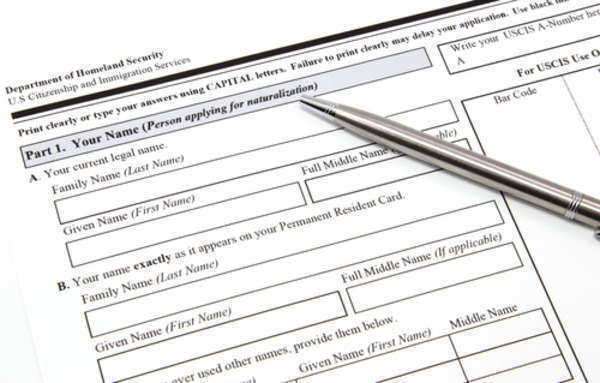
Business forms may be developed by an outside agency for use in the specific company, or a business form may be developed by the company that will use the form through the use of business software.