Understanding Secured and Unsecured Business Loans
📅 2026 Update: Changes in Business Loan Landscape
Since the original article was written, there have been significant updates in the world of secured and unsecured business loans. This includes changes in approval rates, loan amounts, and the support provided by the U.S. Small Business Administration (SBA).
The rest of the article will continue to provide foundational information on these loans.
📈 SBA Loan Approvals
The U.S. Small Business Administration (SBA) has seen a notable increase in loan approvals. In fiscal year 2024, the SBA supported 103,000 financings for small businesses.
This is the highest level since 2008. Such support can significantly impact small businesses seeking funding for growth or operations.
💳 Credit Application Approvals
In 2023, the approval rate for credit applications reached 57.2% for employer businesses. This marks an increase from 54.9% in 2020. This upward trend indicates that more businesses are receiving the financing they seek.
💰 Current Fees and Costs
The costs associated with SBA loans continue to evolve. For SBA 7(a) loans, lenders must pay an Upfront Fee, also known as the SBA Guaranty Fee. The specific amounts are published annually, reflecting the changing landscape of loan costs.
📝 Application Processes
To apply for an SBA 7(a) loan, businesses need to use the SBA’s Lender Match tool. This tool connects borrowers with participating lenders. For those interested in SBA 504 loans, contacting a Certified Development Company (CDC) is the first step in the application process.
📌 Key Points
- SBA loan approvals hit a record high in 2024.
- 57.2% of businesses received all credit applied for in 2023.
- SBA 7(a) loans require an Upfront Fee.
- Use the Lender Match tool for easier loan applications.
- SBA 504 loans start with contacting a CDC.
💡 Tips for Navigating Business Loans
Consider discussing your unique situation with an attorney to ensure you understand the nuances of business loans.
🏦 Understand Loan Types
Know the difference between secured and unsecured loans. Secured loans require collateral, while unsecured loans do not. This affects your eligibility and the terms of the loan.
📅 Monitor Approval Rates
Keep an eye on current credit application approval rates. As of 2023, 57.2% of employer businesses received all the credit they applied for. Understanding these rates can guide your expectations when applying.
📊 Use SBA Resources
Leverage the free counseling, mentoring, and training offered by SBA Resource Partners. Organizations like Small Business Development Centers (SBDCs) can provide valuable insights.
📑 Prepare Your Application
Make sure your application is complete and well-organized. Using the SBA’s Lender Match tool can help you connect with lenders who fit your needs. This step can streamline the process.
💰 Compare Fees
Pay attention to the Upfront Fees associated with SBA loans. These fees vary and can impact the overall cost of the loan. Check for the most recent fee schedule published by the SBA.
🔍 Review Eligibility Requirements
Before applying for any loan, review the eligibility criteria. Both SBA 7(a) and 504 loans have specific requirements that your business must meet. This could save time in the application process.
🏆 Business Loan Services Ranked by User Reviews (2026)
This section highlights various business loan services relevant to secured and unsecured loans. The order follows Trustpilot data from October 2026. Scores can change, and star ratings are just one indicator—unhappy customers tend to leave more reviews, which can affect overall scores.
🥇 1. Rapid Finance
Rapid Finance holds a Trustpilot score of 4.8. It is known for offering high maximum loan amounts and a variety of financing options. Some customers, however, mention experiencing high fees, which may affect the overall perception of value.
🥈 2. BusinessLoans.com
BusinessLoans.com also has a rating of 4.8. This service is recognized for its easy approval process and quick funding times. Reviewers often praise the exceptional customer service.
However, some users report facing high rates and frequent marketing calls.
🥉 3. Fora Financial
Fora Financial has a Trustpilot score of 4.7. It is known for its responsive customer service and quick application processes. A few customers have pointed out the presence of high fees, which can be a consideration when choosing a service.
4️⃣ ROK Financial
ROK Financial holds a score of 4.8. It offers a fast and secure online application process and provides larger funding amounts up to $10 million. Some reviewers have noted slow response times, which could be a drawback for those needing quick access to funds.
🆓 Free Government and Nonprofit Help
The SBA provides various free resources to assist small businesses. This includes counseling, mentoring, and training through its Resource Partners. Programs like the SBA Microloan Program can also offer small loans to help businesses get started or expand.
🔎 What to Compare When Choosing Business Loan Services
- 🏦 Loan types offered (secured vs. unsecured)
- 💳 Interest rates and fees
- 📅 Approval times and processes
- 👨💼 Customer service experiences
- 📝 Eligibility requirements
❓ Frequently Asked Questions
❓ What is the maximum amount for an SBA 7(a) loan?
The maximum loan amount for an SBA 7(a) loan is $5 million. This allows businesses to access significant funding for various needs.
🕒 How long does it take to process an SBA loan?
Processing times for SBA loans can vary. For 7(a) loans, it depends on the lender and complexity of the application.
🌍 Who is eligible for SBA 504 loans?
To qualify for an SBA 504 loan, a business must operate for profit and be located in the U.S. It also needs to meet SBA size requirements.
⚖️ What can SBA 7(a) loans be used for?
SBA 7(a) loans can be used for various purposes, including acquiring real estate, refinancing debt, and purchasing equipment.
📈 Are SBA loans available year-round?
Yes, both SBA 7(a) and 504 loan applications are accepted year-round, without specific deadlines.
📋 How can I connect with an SBA lender?
Businesses can use the SBA’s Lender Match tool to connect with participating lenders. This tool simplifies the process of finding financing.
⚖️ Recent Court Cases Related to Business Loans
Recent court rulings have addressed various issues related to business loans, impacting how secured and unsecured loans are handled. These cases highlight the evolving legal landscape surrounding business financing.
- Delaware court denies summary judgment in corporate disputeCourt of Chancery of Delaware · May 29, 2026
- Court rules against Primary Health Care in SBA size disputeUnited States Court of Federal Claims · May 28, 2026
- Court denies Mayvin, Inc.'s bid cost recovery requestUnited States Court of Federal Claims · May 28, 2026
- Court Denies Tax Refund Claim for Northeast Health ServicesUnited States Court of Federal Claims · May 28, 2026
For more recent rulings, check out more rulings on the news page.
End of October 2026 Update
When evaluating secured business loans versus unsecured business loans it is important to understand your company's position and your particular needs for financing. Each type of loan possesses unique requirements, as well as advantages and disadvantages. Before applying for a loan, you must educate yourself with the intricacies associated with both a secured business loan and an unsecured business loan.
A secured business loan is the more common loan agreement. Under this particular type of loan, a borrower offers the lender some form of collateral. The collateral is typically an asset that contains some sort of value in proportion or equal to the loan amount. The collateral is in essence an insurance policy for the lender; if the business defaults on the loan, the lender will recoup their losses through the acquisition of the collateral.
The collateral is anything pledged against the value of the loan. If a default is present the collateral is used to defray the costs of the unpaid debt. Examples of collateral include: accounts receivable, equipment, inventory, cars, or property. As a result of the "secured" status, the interest rates associated with a secured business loan are typically lower than other forms of lending. In addition, the collateral offered makes the secured business loan easier to obtain.
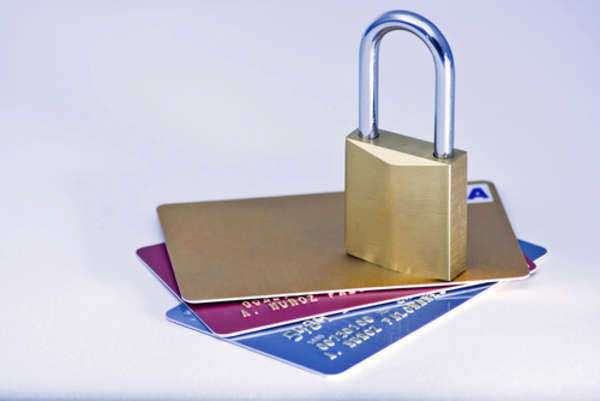
The availability of a loan is dependent on the borrower's ability to repay the loan. A default represents a huge cost for the lender. That being said, the presence of collateral partially offsets the risk of a default. It must be mentioned that the collateral associated with a secured business loan will be given a lower value than its true worth. The process of liquefying the assets decreases the asset’s assessed worth.
In contrast, an unsecured business loan is given without any kind of security or collateral from the borrower. An unsecured business loan is strictly offered in accordance with the borrower's credit rating and financial strength of his or her company.
The unsecured business loan works best for established companies. A lender requires that a company be in existence for at least two years to be eligible for an unsecured business loan. These types of loans are not suitable for start-up companies, or companies that possess poor credit ratings. Knowing the differences between these two types of loans will expedite the loan process and ensure the delivery of suitable interest rates and loan specifications.