Understanding Gas Company Roles
📅 2026 Update: Key Changes in Gas Company Regulations
Since the original article was published, several important changes have taken place that impact gas companies and small businesses. These changes affect reporting requirements, lending practices, and compliance rules. The information below highlights these updates and their relevance to gas companies and small business operations.
The earlier article continues further down the page.
📜 Corporate Transparency Act Changes
In March 2025, the Financial Crimes Enforcement Network (FinCEN) made a significant change to the Corporate Transparency Act (CTA). U.S.-formed companies are now exempt from beneficial ownership reporting requirements. This change was made permanent in August 2026.
This exemption can reduce the administrative burden on gas companies and other businesses.
💼 FTC Noncompete Rule Removal
In February 2026, the Federal Trade Commission (FTC) removed a rule that had banned most worker noncompete agreements. This aligns with recent court rulings and can affect how gas companies manage employee contracts. Without these restrictions, companies may find it easier to retain talent.
💰 Changes in Tax Laws
The 2025 tax law brought new benefits for small businesses, including those in the gas sector. The federal exclusion on qualified small business stock increased significantly. For stock issued after July 4, 2025, the exclusion is now 50% after three years and 100% after five years.
This change could enhance investment opportunities for gas companies.
🏦 Small Business Lending Updates
The average interest rate for small and medium-sized enterprise loans rose to 6.77% in 2024, up from 6.06% in 2023. This increase may affect the financing options available to gas companies. Additionally, as of May 2026, new data collection rules require financial institutions to gather information on small business lending.
📌 Summary of Key Points
- 📜 Corporate Transparency Act now has beneficial ownership reporting exemptions.
- 💼 FTC Noncompete Rule removal allows more flexibility in employee contracts.
- 💰 Tax law changes improve investment opportunities for small businesses.
- 🏦 Interest rates on small business loans increased to 6.77%.
- 📊 New lending data rules are in effect for financial institutions.
💡 Tips for Gas Companies and Small Businesses
Reviewing the details of your situation with an attorney can help clarify your obligations and options.
📌 Understand Reporting Requirements
Gas companies should be aware of the new exemptions under the Corporate Transparency Act. Knowing these rules can save time and resources.
🔍 Keep Up with Tax Changes
Stay informed about tax law changes that may benefit your business. The new exclusions for qualified small business stock could offer financial advantages.
📈 Monitor Lending Rates
With rising interest rates on loans, gas companies should explore multiple lending options. Comparing rates can help secure better financing for equipment or operations.
📅 Prepare for Compliance Dates
Be aware of the compliance timelines set by the Consumer Financial Protection Bureau (CFPB). Preparing early can help avoid penalties.
🛠 Seek Resources for Compliance
Utilize the Small Entity Compliance Guide provided by the U.S. Department of Labor. This guide can assist in understanding your obligations under labor laws.
🏆 Gas Company Services Ranked by User Reviews (2026)
This section reviews services relevant to gas companies and small businesses, focusing on customer experiences. The ratings are based on Trustpilot data checked in October 2026. Star ratings are one of many factors to consider when evaluating a service, as unhappy customers often leave more reviews.
🥇 1. ZenBusiness
ZenBusiness has been rated 5.0 on Trustpilot. It is known for its helpful and knowledgeable staff, as well as fast response times. Users appreciate the smooth user experience, though some have reported slow support response times and challenges with canceling ongoing service subscriptions.
🥈 2. Simply Business US
Simply Business US holds a Trustpilot rating of 4.5. Reviewers highlight its knowledgeable and supportive staff, along with affordable pricing options. While many find the information clear and detailed, some have noted difficulty in reaching customer support over the phone.
🥉 3. ShipBob
ShipBob has a Trustpilot score of 4.0. It is recognized for its efficient order fulfillment and user-friendly platform, making it a suitable choice for businesses requiring reliable logistics. However, some customers have faced issues with customer support and occasional shipping delays.
4️⃣ Square
Square has received a Trustpilot rating of 3.6. It is known for easy-to-use payment processing and an integrated point-of-sale system. However, users have expressed concerns about transaction fees and difficulties with customer support.
🆓 Free Government Assistance
The U.S. Department of Labor provides a Small Entity Compliance Guide that can help small businesses navigate their obligations under labor laws. This resource is especially useful for gas companies looking to understand their rights and responsibilities.
🔎 Key Factors to Compare When Choosing Services
- 📊 Customer ratings and reviews for reliability.
- 💼 Support quality and availability.
- 🛠 Service features that fit specific business needs.
- 💰 Pricing options and any hidden fees.
- 🔍 Ease of use in terms of setup and management.
❓ Frequently Asked Questions
❓ What is the Corporate Transparency Act?
The Corporate Transparency Act requires certain companies to report their beneficial ownership information. Recent changes have exempted U.S.-formed companies from these reporting requirements.
📈 How do interest rates affect my business?
Interest rates on small business loans have risen to 6.77%. Higher rates can increase borrowing costs, making it important to explore various lending options.
🏦 What are the new lending data rules?
As of May 2026, the CFPB's final rule requires financial institutions to collect data on small business lending. This applies to institutions with at least 1,000 covered transactions.
📅 What should I know about compliance deadlines?
Lenders must adhere to compliance dates set by the CFPB. The timelines vary based on the volume of loans issued, with some institutions required to start data collection as early as July 2025.
💵 How can tax law changes benefit my business?
Recent tax law changes have increased the federal exclusion on qualified small business stock. This can provide significant tax benefits for businesses in the gas sector.
📚 Where can I find more resources for small businesses?
The U.S. Department of Labor offers a Small Entity Compliance Guide, which can help small businesses understand their obligations. This resource is available at no cost.
⚖️ Recent Court Cases Related to Gas Company Regulations
Recent court rulings have impacted various regulations affecting gas companies, particularly concerning lending and employment practices. These cases include significant decisions that shape how businesses operate.
- Fifth Circuit upholds Bank of America loan agreement rulingCourt of Appeals for the Fifth Circuit · October 9, 2026
- Court allows Strike 3 Holdings to subpoena ISP for identityDistrict Court, S.D. New York · October 8, 2026
- Court Allows Strike 3 Holdings to Identify Copyright DefendantDistrict Court, S.D. New York · October 12, 2026
- Ohio Supreme Court denies writ in data center development caseOhio Supreme Court · October 20, 2026
For more information, you can browse more rulings on the news page.
End of October 2026 Update
What does a Gas Company do?
Gas companies produce, manufacturer and distribute gasoline-based products throughout the world. Gasoline, also known as petrol, is a petroleum-derived mixture which is used for fuel in combustion-based engines.
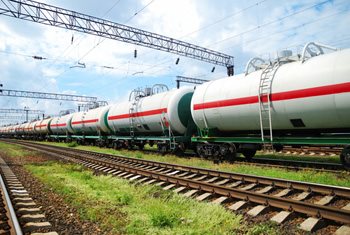
There are two forms of gas companies in the United States: private gas companies and public gas companies. Although this categorization is somewhat broad, it can be further defined by the roles in which gas companies deliver. A gas company, in the public definition, is a utility that provides gas to residents and various entities in a particular location. Public utilities are funded in part by a government agency, and the products delivered are considered necessities to property owners throughout the United States.
In contrast, a private gas company delivers petroleum-based products to motor-vehicle operators and various consumers in the United States. These companies are purely profit-based and will price their products in relation to the supply and demand of oil.
Legal Issues Associated with Gas Companies
Although the services offered by gas companies are considered necessities, the underlying product contains viable threats to both human health and the environment. Gasoline contains hydrocarbons which are carcinogenic agents that, on a large scale, present an enormous threat to public health and the environment. In addition, the chemical structure of gasoline is highly flammable. When gasoline is heated or interacts with fire it is highly explosive.
Gasoline is also a source of pollutant gases. Gasoline produces carbon dioxide, nitrogen oxides, and carbon monoxide. When these gases are emitted through the use of an engine they adversely affect our atmosphere’s protective layers.
These characteristics present great challenges in regards to the safe use and delivery of petroleum-based products. The most common threats associated with gasoline companies are delivery spills. When gasoline is spilled (for example, when a delivery truck gets in an accident), the leaked gasoline is not only flammable but emits corrosive pollutants into the atmosphere. These pollutants also pose a threat to human beings. When gasoline is chronically inhaled it can damage one’s health.
The effects of a gas spill are typically catastrophic. The pollutants combined with the threats of a conflagration can precipitate deaths and an environmental disaster. When these unfortunate situations arise, the gas companies are held liable and are typically punished by various forms of government and sued by the individuals or entities of the particular jurisdiction in which the spill or leak occurred.
If mishandled or delivered in violation of safety protocol, the negative externalities attached could potentially cripple a community. As a result of the product’s inherent dangers and the stress it places on the environment, gases and our reliance on oil is a widely debated political issue.