The Interstate Commerce Commission
📅 2026 Update: Changes in U.S. Business Law
Since the original article was published, there have been significant changes in U.S. business law that may affect how individuals and entities operate. This section highlights important updates, including the Corporate Transparency Act and state reforms. The earlier article continues further down the page.
📜 Corporate Transparency Act Exemptions
On March 26, 2025, the Financial Crimes Enforcement Network (FinCEN) issued a new rule that exempts all U.S.-formed companies and U.S. persons from beneficial ownership reporting under the Corporate Transparency Act. This exemption was made permanent on August 11, 2026. The change simplifies the compliance process for many businesses, reducing the amount of information they need to disclose regarding ownership.
🏛️ State Corporate Statute Reforms
From 2024 to 2026, several states enacted reforms to their corporate statutes. For instance, Delaware revised sections 144 and 220 of its General Corporation Law through Senate Bill 21. Nevada also made adjustments with Assembly Bill 239, which narrowed certain statutes.
These reforms aim to enhance corporate governance and increase efficiency in business operations.
💰 Current Fees and Costs
Delaware continues to offer expedited filing services for corporate formations. The fees for services vary, including $1,000 for one-hour service and $15 for standard expedited processing. Washington State has a $15 fee for Apostilles, with expedited options available.
Georgia's filing fees are non-refundable, and processing times differ based on the filing method.
📝 Forms and Steps for Formation
To form a corporation in Delaware, one must file a Certificate of Incorporation with the Division of Corporations. Washington State requires a completed Apostille Request Form to obtain an Apostille. In Georgia, appropriate formation documents must be filed with the Secretary of State.
Following the correct steps can help streamline the formation process.
📌 Key Points Summary
- Corporate Transparency Act exemptions reduce disclosure requirements.
- State reforms in Delaware and Nevada improve corporate governance.
- Delaware offers various expedited filing options for timely processing.
- Washington and Georgia have specific fees and requirements for business formation.
- Understanding these updates can aid in navigating business laws effectively.
💡 Tips for Navigating Business Formation
Consider reviewing your unique situation with an attorney to understand the best approach for your needs.
🏢 Understand Corporate Structures
When forming a business, familiarize yourself with different corporate structures, such as corporations, LLCs, and partnerships. Each structure has its own benefits and obligations. Knowing these can help you choose the right path for your business.
⏳ Use Expedited Services Wisely
If time is crucial for your business formation, consider using expedited services offered in states like Delaware and Georgia. These services can significantly reduce the time it takes to process your documents, allowing you to start operations sooner.
📄 Keep Abreast of Fees
Be aware of the fees associated with business formation in your state. For example, Delaware's expedited filing fees range from $15 to $1,000, depending on the service level. Knowing these costs upfront can help you budget accordingly.
📑 Follow Proper Filing Procedures
Ensure you complete all necessary forms accurately. In Delaware, this includes filing a Certificate of Incorporation. In Washington, an Apostille Request Form is required.
Mistakes in filing can lead to delays or complications.
🏛️ Explore Government Resources
Utilize free government resources for business formation. The Delaware Division of Corporations and the Georgia Secretary of State offer guidance and assistance. These resources can help answer any questions you may have during the formation process.
🏆 Business Formation Services Ranked by User Reviews (2026)
This section covers various services that assist with business formation and related legal needs. The ranking is based on Trustpilot data from October 2026, providing a snapshot of user experiences. Ratings are just one factor to consider, as unhappy customers tend to leave more reviews.
🥇 1. LawDepot
LawDepot holds a Trustpilot score of 4.0. The service is known for providing customizable legal document templates at affordable prices. However, some users have reported unexpected charges, which can affect overall satisfaction.
LawDepot can be useful for those seeking to create legal documents without extensive legal knowledge.
🥈 2. Bizee
Bizee has an impressive Trustpilot score of 4.8. It specializes in business formation services, registered agent services, and compliance services. Reviewers appreciate its efficiency but have noted occasional unexpected charges.
This service can be beneficial for entrepreneurs looking to streamline their business setup.
🥉 3. LegalZoom
LegalZoom has a Trustpilot rating of 4.6. It is well-known for its business formation and registered agent services, along with estate planning offerings. While many users find the service helpful, some report delays and communication issues.
LegalZoom remains a popular choice for those seeking comprehensive legal support.
4️⃣ Rocket Lawyer
Rocket Lawyer holds a Trustpilot score of 4.5. The platform offers legal document creation and business formation services. Users appreciate the legal advice available through subscriptions, though some find the subscription model may not fit their needs.
This service can aid users who require ongoing legal assistance.
🆓 Free Government Resources
Free options for business formation assistance are available through government agencies. The Delaware Division of Corporations, Washington Secretary of State, and Georgia Secretary of State provide resources and guidance. These services can help individuals navigate the business formation process without incurring costs.
🔎 What to Compare When Choosing a Service
- 🏷️ Pricing structures and fees.
- ⏳ Processing times for document filings.
- 📄 Availability of legal document templates.
- 🗣️ Customer reviews and satisfaction ratings.
- 👩⚖️ Range of services offered for business support.
❓ Frequently Asked Questions
❓ What is the Corporate Transparency Act?
The Corporate Transparency Act requires certain businesses to report their beneficial ownership information. However, recent exemptions now allow many U.S.-formed companies to avoid these requirements.
🏢 How do I form a corporation in Delaware?
To form a corporation in Delaware, you must file a Certificate of Incorporation with the Delaware Division of Corporations. This document lays the groundwork for your business's legal structure.
💰 Are there fees for forming a business in Georgia?
Yes, Georgia's filing fees for business formation are non-refundable and vary based on the filing method. Online filings are typically processed faster than paper filings.
📑 What is an Apostille?
An Apostille is a certificate that authenticates the origin of a public document. It is used for documents intended for countries that are parties to the Hague Convention.
⚖️ Can I expedite my business formation?
Yes, states like Delaware and Georgia offer expedited processing services for business formation. This can significantly reduce the time it takes to establish your business.
🔍 Where can I find help for business formation?
Free assistance is available through government agencies, including the Delaware Division of Corporations and the Georgia Secretary of State. They provide resources and guidance for forming a business.
⚖️ Recent Cases Related to Business Law
Recent court rulings have addressed various aspects of business law, impacting corporate governance and compliance. Understanding these rulings can help businesses navigate legal challenges effectively.
- Court rules on bid protest involving Minburn and Navy contractUnited States Court of Federal Claims · August 27, 2026
- North Carolina court dismisses long-pending appeal caseNorth Carolina Business Court · August 31, 2026
- Delaware Court Dismisses Omnicare's Case Against New OperatorsSuperior Court of Delaware · August 31, 2026
- Delaware Court Rules on Proxy Dispute in ATG Capital CaseCourt of Chancery of Delaware · September 2, 2026
For more recent rulings, you can browse more rulings on the news page.
End of October 2026 Update
The Intestate Commerce Commission was created after the Federal Government enacted the Federal Commerce Act.The Act was meant to encourage Interstate commerce as a means of providing all citizens of the United States with the items necessary for their daily lives.
Without interstate commerce, each state would only have certain resources available, such as vegetables that could be grown in that state, with no access to vegetables that could only be grown in other states.
The Interstate Commerce Commission (ICC) was created to uphold the Intestate Commerce Act as set forth by the Federal Government. One such rule in the Act required that railroad companies post the cost for specific journeys of a certain distance. In addition, the railroad companies could no longer charge a higher amount of money for shorter distances. The Intestate Commerce ccommission inspected the railroad stations and company offices to be sure that they were in compliance with the rules as set out by the Interstate Commerce Act.
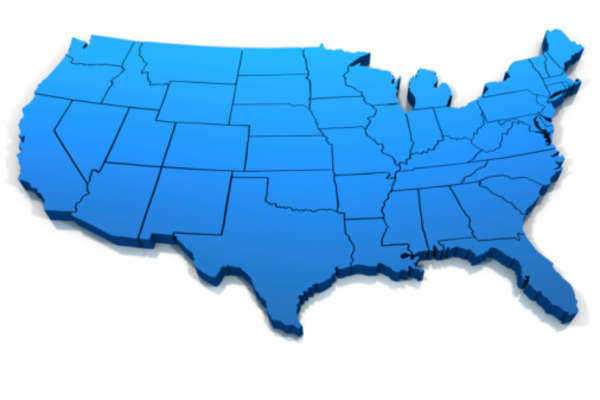
Although the ICC could ensure that companies that transported goods across state lines were in compliance with the new law, it had no control over businesses that did not conduct business across state lines. That meant that companies which transported goods within a state’s boundaries were not governed by the Interstate Commerce Commission. In addition, many times when the ICC found a company had violated the law, they were unable to enforce the regulations.