Setting Up A Small Business Server
📅 2026 Update: Important Changes for Small Business Servers
Since the original article was published, there have been notable updates in the legal landscape affecting small businesses. These changes impact how businesses operate, particularly in areas like technology and data management. The following sections highlight key developments that are essential for small business owners to understand.
🤖 Colorado's AI Act
On February 1, 2026, Colorado's Artificial Intelligence Act took effect. This law places specific obligations on developers and deployers of "high-risk" AI systems. Businesses must now establish risk management programs and conduct impact assessments when using AI in consequential areas like employment and lending.
This act emphasizes the need for compliance and accountability in AI technologies.
📊 California's Automated Decision-Making Regulations
California's updated regulations under the California Consumer Privacy Act (CCPA) began on January 1, 2026. These regulations govern automated decision-making technologies. Businesses planning to use such technologies must prepare for compliance obligations that will start in 2027, marking an important step in consumer data protection.
🔒 DOJ's Final Rule on Data Access
The U.S. Department of Justice issued a final rule on December 27, 2024, addressing concerns related to foreign adversaries accessing sensitive personal data of Americans. This rule aims to strengthen data protection for businesses, especially those that handle personal information.
Small businesses should be aware of these regulations to protect their data and comply with new security requirements.
🌍 Global AI Regulations Impact
The EU Artificial Intelligence Act, which became effective on August 1, 2024, has global implications that affect U.S. businesses. This comprehensive legal framework requires transparency and accountability from AI system providers. Small businesses engaging in AI need to consider how these international regulations may influence their operations.
📌 Key Points to Remember
- 🤖 Colorado's AI Act requires risk management for high-risk AI systems.
- 📊 California's new regulations on automated decision-making begin compliance in 2027.
- 🔒 DOJ's rule enhances data protection against foreign threats.
- 🌍 EU AI Act introduces global standards impacting U.S. businesses.
💡 Tips for Small Businesses Using Technology
It's important to discuss your specific situation with an attorney for tailored guidance.
🔍 Understand New Compliance Obligations
Stay informed about the new compliance obligations under Colorado's AI Act and California's automated decision-making regulations. These laws may require changes in how you manage data and AI technologies in your business.
📈 Evaluate AI Systems Carefully
Before implementing AI systems, assess their risks and potential impacts. This assessment is crucial to comply with the Colorado AI Act and ensure responsible use of technology in decision-making.
🔐 Strengthen Data Security Measures
In light of the DOJ's final rule, review and enhance your data security measures. Protecting sensitive personal information should be a top priority for small businesses.
🌐 Be Aware of International Regulations
If your business uses AI technologies, consider how the EU AI Act may affect operations. Understanding international regulations can help you avoid compliance issues and adapt your business strategy.
📅 Plan for Future Changes
Keep an eye on upcoming deadlines, especially for the compliance obligations set to begin in 2027 regarding automated decision-making in California. Planning ahead can prevent last-minute adjustments.
🏆 Top Services for Small Business Technology (Ranked by User Reviews 2026)
The following services assist small businesses in setting up and managing their technology, specifically tailored to their needs. These services have been ranked based on Trustpilot data as of October 2026. Ratings can fluctuate as they reflect customer experiences, and unhappy customers often leave more feedback.
🥇 1. Softwarekeep
Softwarekeep has been rated 4.2. It specializes in software licensing and IT consulting, making it a relevant choice for businesses needing reliable technology solutions. However, some users report issues with software updates, which could affect smooth operations.
🥈 2. ZenBusiness
ZenBusiness holds a score of 4.8. It is well-known for LLC formation services and business compliance assistance. Users appreciate its thorough support, although occasional delays in customer response times have been noted, which might impact urgent needs.
🥉 3. Scrum.org
Scrum.org has an impressive rating of 4.9. This company offers Scrum training and certification along with agile coaching, providing valuable resources for teams looking to enhance productivity. Some users find the courses intensive, which could be a consideration for those new to Scrum methodologies.
4️⃣ micro1
micro1 has a rating of 4.7. It focuses on AI recruitment services and payroll solutions, making it suitable for businesses looking to integrate AI into their hiring processes. However, the service's availability is limited in certain regions, which could restrict access for some users.
5️⃣ POSGuys
POSGuys averages 4.8. It is recognized for its point-of-sale systems and business hardware solutions, catering to small businesses needing efficient sales tools. Some customers have experienced variable shipping times, which may affect delivery schedules.
🆓 Government Assistance Options
Small businesses can access free assistance through the Government Accountability Office (GAO). The GAO has reviewed the Department of Commerce's rule on securing the information and communications technology supply chain, providing insights into compliance and potential impacts. This resource can help businesses navigate regulatory changes without incurring additional costs.
🔎 Factors to Compare When Choosing Services
- 🛠️ Types of technology solutions offered
- 🕒 Customer support availability and response times
- 📝 User reviews and overall ratings
- 💵 Pricing and any hidden costs involved
- 🌎 Regional availability and service coverage
❓ Frequently Asked Questions
📋 What is the Colorado AI Act?
The Colorado AI Act, effective February 1, 2026, places obligations on developers and deployers of high-risk AI systems. It requires businesses to implement risk management programs and conduct impact assessments.
🔒 How does the DOJ's final rule impact small businesses?
The DOJ's final rule focuses on preventing foreign adversaries from accessing Americans' sensitive personal data. This rule enhances data protection for small businesses that handle personal information.
📅 When do compliance obligations for California's automated decision-making regulations begin?
Compliance obligations for automated decision-making technologies under California's updated regulations will start in 2027. Businesses should prepare in advance to ensure compliance.
🌍 How does the EU AI Act affect U.S. businesses?
The EU AI Act, effective August 1, 2024, introduces regulations that have global implications, including for U.S. businesses. Companies using AI technologies may need to align their practices with these comprehensive legal requirements.
🛡️ What steps can small businesses take to improve data security?
Small businesses should enhance their data security measures by reviewing current practices, implementing strong access controls, and educating employees on data protection protocols.
📈 Why is it important to stay updated on regulatory changes?
Staying updated on regulatory changes is crucial for small businesses to ensure compliance and avoid potential penalties. Understanding these laws helps businesses adapt their operations effectively.
⚖️ Recent Cases Related to Business Technology
Recent court rulings have focused on technology regulations and their impact on small businesses, especially concerning data protection and AI usage.
- Delaware Court Denies Summary Judgment in LawIQ CaseCourt of Chancery of Delaware · May 29, 2026
- Delaware court denies summary judgment in corporate disputeCourt of Chancery of Delaware · May 29, 2026
- Court rules against Primary Health Care in SBA size disputeUnited States Court of Federal Claims · May 28, 2026
- Court denies Mayvin, Inc.'s bid cost recovery requestUnited States Court of Federal Claims · May 28, 2026
For more recent rulings, please browse more rulings on the news page.
End of October 2026 Update
What is a Small Business?
In the United States and throughout the world, the term ‘small business’ refers to any type of business model that is privately owned and operated. All small businesses fall into the established federal size limitations that define what a small business is.
According to the Small Business Administration, a small business employs fewer than 500 people; however, other forms of legislation that elucidate on such qualifications will define a small business as any operation with fewer than 15 people—these size limitations will vary based on what industry the underlying small business conducts business. In addition to the employee base, a small business may be classified based on its assets, the gross volume of sales or the amount of production.
The general definitions and actions of a small business are regulated based on federal legislation. Typically, the Federal Government encourages the formation of small businesses to encourage entrepreneurship and entice innovation in the competitive market.
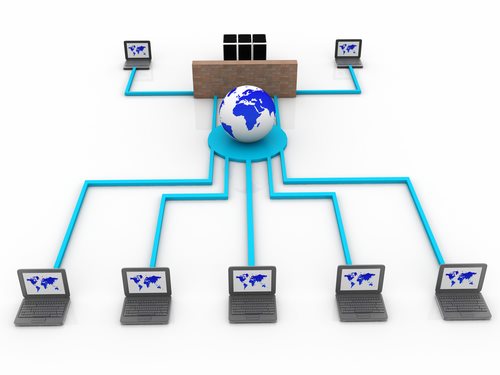
As stated before, although the size regulations and the particular industries of focus may vary, all small businesses require the obtainment of a few foundational components. For instance, due to the privately-owned status, all small businesses must secure an appropriate line of revenue to finance their operation. Additionally, a small business must possess a small business server to secure a presence on the Internet.
The ability to acquire a small business server will ensure the owner or operator of the small business access to a web space; this ability will enable the small business to actively market and advertise their particular products or services. Without the obtainment of a small business server, a small business would fail in reaching its prospective consumer market.
What is a Small Business Server?
A small business server offers a small business owner the ability to develop a web presence; in a computing sense, a server connects a computer to a network. Once the small business owner has registered a domain name, they need to secure a website host. All small businesses require a base to run its own small business server in order to host a website or space that has the ability to handle multiple tasks for their unique business model. This process will enable a small business to owner to contract a company to help maintain files for their small business server and run scripts or web applications off the server.
How to set up a Small Business Server?
The first step to establishing a small business server requires you to install a Network Operating System. Approaching your small business server in this fashion will enable you to tailor settings that are more appropriately aligned to your businesses’ needs. This installation procedure also will mitigate costs and allow you to control bandwidth usage and downtime.
You must then install any servers on the Network Operating System, such as email servers, web servers, database servers and domain servers etc. Recently companies (ie Microsoft) have developed small business servers that act as bundles for owners of small businesses. These bundles, depending on your situation, may be more cost-efficient than setting it up yourself.
Once you have installed the complimentary small business servers you should create any network drives for your employees; these network drives will enable your workers to share and keep files on the small business server. It is critical to acknowledge the specifications required for a small business server; to obtain a stable and reliable small business server, it is highly recommended to schedule regular backups and security checks for your small business server.