Protecting Your Privacy with Online Banking!
📅 2026 Update: New Developments in Online Banking Privacy
Since the original article was written, there have been important changes in laws and regulations that affect online banking and privacy. These updates are especially relevant as they focus on privacy and data protection, which are crucial for users of online banking services. The earlier article continues further down the page.
🤖 Colorado Artificial Intelligence Act
The Colorado Artificial Intelligence Act took effect on February 1, 2026. This law imposes requirements on developers of "high-risk" AI systems. These requirements include risk management programs and impact assessments, which are important for companies handling sensitive data, including financial institutions.
⚖️ California's Automated Decision-Making Regulations
Starting January 1, 2026, California has new regulations concerning automated decision-making technologies. These regulations fall under the California Consumer Privacy Act (CCPA). They govern how businesses use automated systems to make decisions that affect consumers, ensuring better privacy protections.
🔒 U.S. Department of Justice Final Rule on Data Access
On December 27, 2024, the U.S. Department of Justice issued a final rule aimed at preventing foreign adversaries from accessing Americans' sensitive personal data. This rule is significant for online banking as it helps protect users' financial and personal information from outside threats.
🌍 EU Artificial Intelligence Act
The EU Artificial Intelligence Act, effective August 1, 2024, has global implications for businesses, including those in the U.S. This law requires AI system providers to adhere to transparency and accountability standards, which can impact how banks and financial institutions operate online.
📌 Key Updates for Online Banking Privacy
- 🤖 Colorado’s AI Act requires risk management for high-risk AI systems.
- ⚖️ California’s new regulations will enhance consumer privacy protections.
- 🔒 DOJ's rule protects personal data from foreign access.
- 🌍 EU’s AI Act affects global businesses, including U.S. banks.
💡 Tips for Protecting Your Online Banking Privacy
Review your specific situation with your attorney to ensure you understand your rights and protections.
🛡️ Use Strong Passwords
Always create strong passwords for your online banking accounts. A mix of letters, numbers, and symbols can help protect your personal information from unauthorized access.
🔄 Enable Two-Factor Authentication
Two-factor authentication adds an extra layer of security. It requires not only your password but also a second form of verification, such as a text message code, making it harder for someone to access your account.
📧 Be Cautious with Emails
Phishing scams often come via email. Be wary of unexpected emails asking for your personal information. Always verify the source before clicking on links.
🔍 Regularly Monitor Your Accounts
Check your bank statements and online accounts frequently. Look for any unauthorized transactions or changes. Early detection can help prevent further issues.
📱 Keep Software Updated
Ensure that your banking app and device software are up to date. Updates often include security patches that protect against new threats.
🏆 Online Banking Services Ranked by User Reviews (2026)
The services listed below support various aspects of online banking and business operations. Their rankings are based on Trustpilot data as of October 2026, indicating user satisfaction. Ratings can change over time, and it's important to note that unhappy customers tend to leave more reviews, which can affect overall scores.
🥇 1. POSGuys
POSGuys has been rated 4.8. This company is known for providing point-of-sale systems and business hardware solutions, which are essential for retail banking operations. However, some users have noted that shipping times can vary.
🥈 2. ZenBusiness
ZenBusiness holds a 4.8 rating. This company specializes in LLC formation services and business compliance assistance, which are important for new businesses entering the online banking space. Users have reported occasional delays in customer support response times.
🥉 3. Scrum.org
Scrum.org has a 4.9 rating. It is known for its Scrum training and certification, which can help businesses implement better project management strategies. Some users find the courses to be intensive, which may not suit everyone.
4️⃣ Softwarekeep
Softwarekeep averages 4.2. This company offers software licensing and IT consulting services that can assist businesses with their online banking technologies. However, some users report issues with software updates affecting their experience.
5️⃣ micro1
Micro1 has a rating of 4.7. This service provides AI recruitment and payroll solutions, which can streamline HR processes for businesses in the banking industry. Its availability may be limited in certain regions, which could affect some users.
🆓 Free Government Resources
Government resources include assessments from the Government Accountability Office (GAO) on compliance with information technology rules. This can provide valuable insights for businesses looking to secure their operations, especially in online banking.
🔎 Factors to Compare When Choosing Services
- 🏆 User ratings and reviews
- 💰 Pricing and fees
- 📞 Customer support options
- 🔄 Software update frequency
- 🔒 Security features offered
❓ Frequently Asked Questions
❓ What should I do if I suspect fraud on my account?
Report any suspicious activity to your bank immediately. They can help you secure your account and investigate the issue.
🔍 How can I protect my data while using online banking?
Use strong passwords, enable two-factor authentication, and be cautious with emails to protect your data.
🕒 How often should I monitor my bank statements?
It's recommended to check your bank statements at least monthly. More frequent checks can help you catch unauthorized transactions sooner.
🛡️ Are there regulations protecting my personal data in online banking?
Yes, laws like the California Consumer Privacy Act help protect consumers' personal data in online banking.
📱 What should I do if I receive a phishing email?
Do not click on any links. Verify the sender and report the email to your bank.
🌍 Do international laws affect U.S. online banking?
Yes, laws like the EU Artificial Intelligence Act can impact how U.S. businesses manage data and privacy for online banking.
⚖️ Recent Cases Involving Online Banking Privacy
Recent court rulings have addressed issues related to data privacy and online banking practices. These cases highlight the legal landscape that affects how banks handle personal information.
- Delaware Court Dismisses Claims in SwervePay Acquisition CaseCourt of Chancery of Delaware · July 30, 2026
- Court rules on Alamo City Engineering Services v. U.S.United States Court of Federal Claims · July 29, 2026
- North Carolina court rules on employment dispute caseNorth Carolina Business Court · July 30, 2026
- Texas court rules contract for lots unenforceable due to fraudTexas Business Court · July 29, 2026
For more insights into recent court rulings, check out more rulings on the news page.
End of October 2026 Update
One of the biggest worries surrounding any online banking practice is that the customer might become vulnerable to attempts to steal his or her information. Internet fraud is one of the more frightening forms of fraud in the world today, as it would allow a fraudster to steal another person's information and make purchases using that person's accounts without ever having to leave home.
Though it is often illegal to obtain the kind of information that would threaten online banking, whether through the Electronic Communications Privacy Act of 1986 or through some other Act, there will always be those who attempt to obtain such information. Thus, methods to support and strengthen online privacy in online banking are quite important to the overall success of online banking.
After all, despite its relative inconvenience, the risks of someone stealing a customer's information when that customer physically goes to a bank to make a deposit seem substantially lower than when a customer puts his or her information into the Internet.
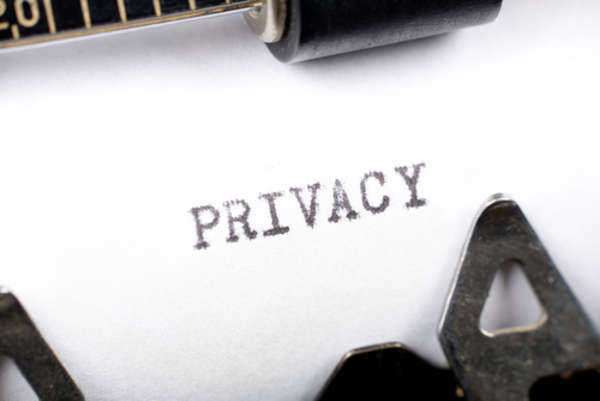
Fortunately, as this concern has been at the core of online banking practices since their inception, many improvements and moves towards greater online privacy have been made over the years. In general, a website might use a single password coupled with an email address in order to provide protection for an account, but online banking services long ago deemed this insufficient for protecting its customers and their accounts, as a single password is too easy to break for a determined hacker.
Instead, online banking primarily uses two means for security. One system uses the Personal Identification Number (PIN) associated with a given account coupled with a Transaction Authentication Number (TAN) to perform a transaction. Where a PIN is always the same with the same account, a TAN would be different for every transaction.
The system is more complex than this, but essentially, it ensures that online banking conducted with the use of web browsers capable of a secure kind of transaction would be able to maintain online privacy successfully.
The other system of protecting online privacy in online banking uses encryption and keys, where all transactions are encrypted and can only be decrypted by temporary keys given to the computer after the transaction.
Users can protect their own online privacy and their online banking practices by ensuring that their computers are safe. Antiviral programs can run periodic scans on computer systems in order to ensure that no viruses or other bugs are inside the computer which would then violate online privacy when performing online banking.
But a large number of schemes to penetrate online privacy instead focus on tricking the bank's customer into giving away information such that the fraudster can use the account without authorization. Often, the best defense and aid to online privacy is common sense and a reluctance to give out information to anything other than trusted sites, thereby eliminating most chances that a fraudster might be able to violate online banking security and privacy.
Governmentally speaking, one's online privacy is enforced and supported under law. The Financial Services Modernization Act of 1999, for instance, ensures that banks provide customers with a notice explaining those banks' privacy rules and where the information of the user's account might go. The customer can then decide whether or not conforming with those rules is in his or her best interests. This prevents customers from being caught unawares when their online privacy might not be as secure as they would have thought simply because of the banks' policies.
The Right to Financial Privacy Act also applies, ensuring that banks cannot give the financial information of a customer to a Government agency without that customer's permission. Online banking would be affected by this, just as much as regular banking. In other words, the law is, in general, on the side of online privacy, though there have yet to be a definitive set of laws which would codify the terms of online privacy.