Fast Facts About the Commerce Commission
📅 2026 Update: Key Changes Impacting Businesses and Entrepreneurs
Since the original article was published, several important updates have occurred that directly impact U.S. businesses, particularly those related to lending, tax laws, and regulatory requirements. These changes aim to improve the business landscape, making it easier for small businesses to thrive. The earlier article continues further down the page.
🏢 Corporate Transparency Act Changes
In March 2025, the Financial Crimes Enforcement Network (FinCEN) issued an interim final rule that exempted U.S.-formed companies from beneficial ownership reporting under the Corporate Transparency Act (CTA). This exemption was made permanent in August 2026. This means many businesses no longer need to disclose their owners, simplifying compliance and encouraging new startups.
💼 FTC Noncompete Rule Update
In February 2026, the Federal Trade Commission (FTC) removed the 2024 rule that banned most worker noncompete agreements. This change aligns with recent court rulings that blocked the rule nationwide. Businesses can now freely implement noncompete clauses, which may help protect sensitive business information and trade secrets.
📊 Tax Law Changes
The 2025 tax law expanded the startup stock exclusion, which benefits small businesses. For stock issued after July 4, 2025, the federal exclusion on qualified small business stock (Section 1202) increased to 50% after a three-year hold and 100% after five years. Additionally, the per taxpayer cap rose from $10 million to $15 million, allowing more substantial tax savings for business owners.
📈 Changes in Small Business Lending
As of 2024, the average interest rate on small and medium-sized enterprise (SME) loans rose to 6.77%, up from 6.06% in 2023. This increase may affect borrowing costs for small businesses. Additionally, the Consumer Financial Protection Bureau (CFPB) finalized a scaled-back version of its small business lending data collection rule in May 2026, which applies to institutions with at least 1,000 covered transactions.
📌 Key Takeaways for Businesses
- 🏢 Businesses are exempt from beneficial ownership reporting under the CTA.
- 💼 Noncompete agreements can be re-implemented following FTC rule changes.
- 📊 Tax exclusions on startup stock have increased significantly.
- 📈 Average SME loan interest rates have risen, impacting borrowing costs.
- 📅 New data collection rules affect lenders engaging with small businesses.
💡 Tips for Small Businesses in 2026
Reviewing your specific situation with an attorney is crucial for understanding the impact of these laws on your business.
🔍 Understand the Corporate Transparency Act
Stay informed about the Corporate Transparency Act and its exemptions. This knowledge can help streamline your business operations and reduce compliance costs.
💡 Reevaluate Noncompete Agreements
Consider whether implementing noncompete agreements could benefit your business strategy. With the FTC's recent changes, you may have more flexibility in protecting your interests.
📊 Take Advantage of Tax Benefits
If you are considering issuing stock, remember the expanded tax exclusions under Section 1202. This could lead to significant savings if you hold the stock for the required time.
📈 Monitor Lending Rates
Keep an eye on trends in small business lending rates. Understanding these changes can help you make informed decisions when seeking financing for your business.
📋 Prepare for Data Collection Compliance
Be aware of the CFPB's new rules regarding small business lending data collection. Ensure that your financial institution meets the thresholds to avoid penalties and comply with regulations.
🏆 Services Ranked by User Reviews (2026)
This section highlights services that cater to businesses and entrepreneurs, focusing on their user reviews and experiences. The order follows Trustpilot data checked in October 2026, showing how companies perform over time. Ratings can fluctuate, and it's important to consider customer feedback as one of many factors in decision-making.
🥇 1. ZenBusiness
ZenBusiness has been rated 5.0. It is known for its helpful, patient, and knowledgeable staff, which supports entrepreneurs in starting their businesses. Reviewers highlight fast response times and a smooth user experience.
However, some users have noted slow support response times and challenges in canceling ongoing service subscriptions.
🥈 2. Simply Business US
Simply Business US holds a 4.5 rating. This service is recognized for its knowledgeable and supportive staff, as well as affordable pricing options. Many users appreciate the clear and detailed information provided throughout the process.
However, there may be difficulty reaching customer support over the phone, which could impact timely assistance.
🥉 3. ShipBob
ShipBob has a 4.0 rating. It is known for efficient order fulfillment and a user-friendly platform that appeals to small businesses needing logistics support. While many find the service reliable, some reviewers have reported customer support issues and occasional delays in shipping, which can affect business operations.
4️⃣ Square
Square averages a 3.6 rating. This platform is known for its easy-to-use payment processing and integrated point-of-sale system. Many small business owners appreciate the convenience it offers.
However, transaction fees can be a concern, and customer support challenges have been reported by some users, which may affect user experience.
🆓 Free Government Compliance Help
The U.S. Department of Labor provides a Small Entity Compliance Guide for the Fair Labor Standards Act’s exemptions. This resource can help small businesses understand their obligations under the law, ensuring they remain compliant without incurring additional costs.
🔎 What to Compare When Choosing Services
- 🔍 User ratings and reviews for reliability.
- 💼 Features that align with your business needs.
- 📞 Availability and quality of customer support.
- 💰 Pricing structures and hidden fees.
- 📊 Flexibility in adapting to your business growth.
❓ Frequently Asked Questions
❓ What is the Corporate Transparency Act?
The Corporate Transparency Act requires certain businesses to report their beneficial owners to improve transparency and combat financial crimes. However, exemptions have been made for U.S.-formed companies as of March 2025.
💰 How did tax law changes affect small businesses?
The 2025 tax law changes expanded the startup stock exclusion, allowing for a 50% exclusion after a three-year hold and 100% after five years for stock issued after July 4, 2025. This change benefits small business owners significantly.
📈 What are the new lending rates for small businesses?
As of 2024, the average interest rate on small and medium-sized enterprise loans increased to 6.77%, up from 6.06% in 2023, making borrowing costs higher for small businesses.
📋 How does the CFPB's new rule affect small business lending?
The CFPB's finalized rule on small business lending data collection, effective May 2026, applies to financial institutions that originate at least 1,000 covered transactions for small businesses, establishing new reporting requirements.
⚖️ What should businesses know about noncompete agreements?
With the FTC’s removal of the noncompete rule in February 2026, businesses can now re-implement noncompete agreements to protect trade secrets and sensitive information, following recent court rulings.
📅 When do compliance deadlines for small business lending begin?
The CFPB extended compliance dates for the small business lending rule by 290 days. Lenders with high volumes must start data collection by July 18, 2025, with other deadlines following.
⚖️ Recent Cases Impacting Business Laws
Recent court rulings have shaped the legal landscape for businesses, especially regarding compliance and worker agreements. These cases highlight the importance of staying updated in a changing regulatory environment.
- Court rules on Shoreline Foundation's contract disputesArmed Services Board of Contract Appeals · April 6, 2026
- Court converts Northcon's contract termination to convenienceArmed Services Board of Contract Appeals · April 1, 2026
- Armed Services Board awards $125,000 in contract disputeArmed Services Board of Contract Appeals · April 1, 2026
- Court dismisses attorney fees request in contract disputeArmed Services Board of Contract Appeals · March 30, 2026
For more details, browse more rulings on the news page.
End of October 2026 Update
The Commerce Commission of the United States Government is formally referred to as the Senate Commerce Committee. In this regard, the Commerce Commission is included in the larger body of the United States Senate Committee on Commerce, Science and Transportation.
Among the various tasks of the Senate Commerce Committee, the elected representatives currently sitting on the Commerce Commission are responsible for the supervision of the powers for regulation and oversight of Interstate commerce as are granted to the United States Federal Government through the Commerce Clause of the United States Constitution.
At one point in United States Government history, there was also a section of the Federal Government, outside of Congress, in the form of a regulatory agency formally referred to as the Interstate Commerce Commission. These powers were left largely to the Senate Commerce Committee following the 1995 abolition of the Interstate Commerce Commission, which had the responsibility for its actual activities to the Surface Transportation Board.
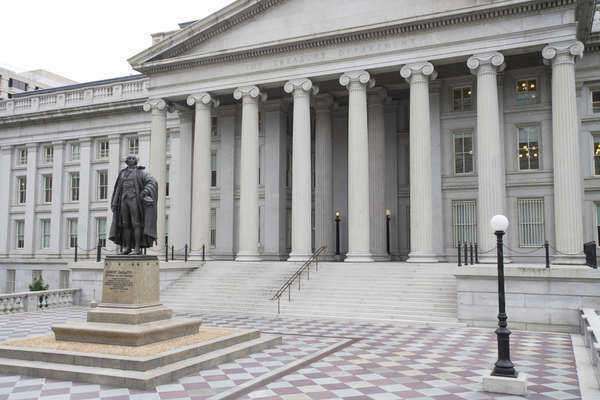
The Senate Commerce Committee, considered as a whole and apart from its Commerce Commission functions, includes the subcommittees for Communications, Technology, Aviation Operations, Safety, and Security; the Internet; Competitiveness, Innovation, and Expert Promotion; Consumer Protection, Product Safety, and Insurance; Oceans, Atmosphere, Fisheries, and Coast Guard; Science and Space; and Surface Transportation and Merchant Maine Infrastructure, Safety and Security.
As of 2010, the Senate Commerce Committee was headed by Jay Rockefeller, a West Virginia Democrat, while the highest-ranking Republican in the Congressional Commerce Commission was Texas’s Kay Bailey, with other prominent members including Barbara Boxer, John Kerry, and Sam Brownback.